Gunnery Sergeant Sal Doghri knew he wanted to study international relations long before he entered a University of Texas at Austin classroom. The decision took shape during his 18 months stationed at the U.S. Consulate in São Paulo, Brazil, working with State Department personnel on diplomatic security operations. “I really enjoyed working with foreign service personnel and the missions they pursued,” he reflects. What began as military duty became something deeper — a crash course in cultural bridge-building that shaped his academic path and worldview.
Now a sophomore in UT’s international relations and global studies (IRG) program, Doghri exemplifies the Marine Corps philosophy of “blooming where you’re planted.” The Marine Corps taught Doghri resilience and adaptability, but his Brazil assignment taught him something else: the power of human connection across cultural divides. Working with Marine Corps staff members and Brazilian liaisons, he forged relationships that were deeper than what’s typical of brief overseas assignments.
“My staff was as close as blood,” he says. “Good wholesome people who went the mile to ensure our aid and safety. We’d break bread with them, share holidays with them, and even discuss life. The goods and bads. No matter what day or hour, you could always count on them.”
The experience challenged his assumptions about cultural difference. “I was not expecting how similar Brazilian culture is to American culture, especially through the lens of home values and beliefs,” he says. This recognition —that beneath obvious differences lay shared human experiences — later influenced his decision to pursue formal study of international relations.
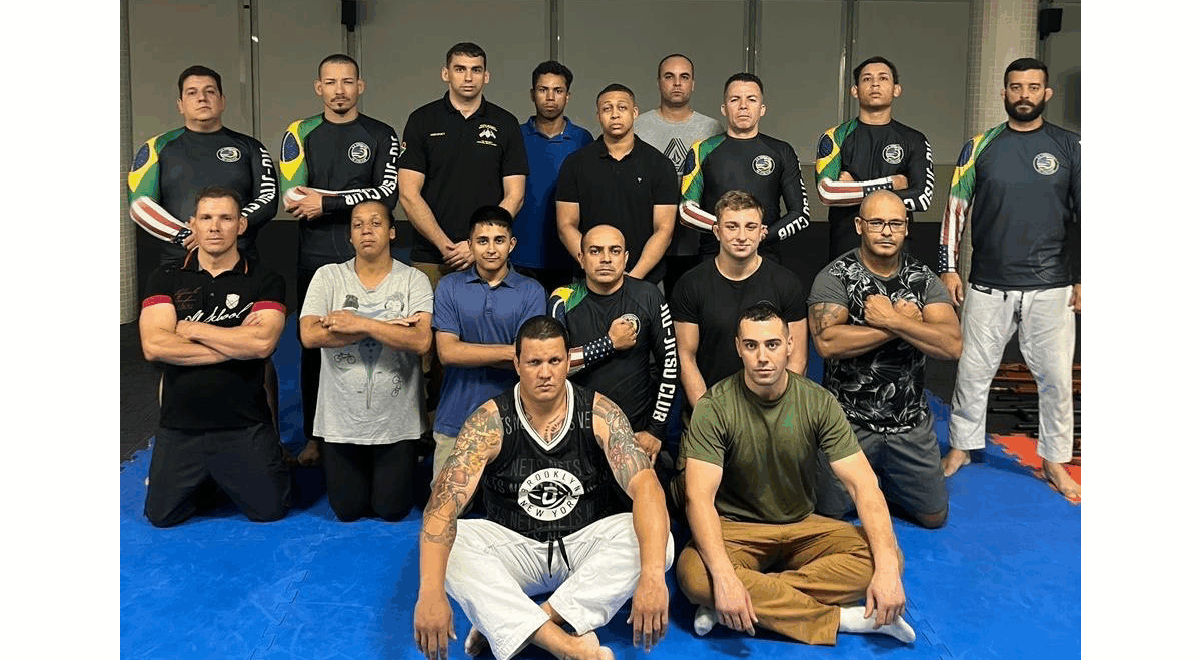
Nowhere was Doghri’s cultural immersion deeper than on the jiu-jitsu mat. In search of authentic cultural experiences beyond tourist activities, Doghri gravitated toward what he knew: physical challenge and disciplined training. A nearby jiu-jitsu academy became his most effective cultural classroom, where language barriers dissolved through shared struggle and mutual respect. His Brazilian teammates were also drawn to the discipline and commitment his military background represented, values that were core to their understanding of martial arts.
“Sweating and bleeding together, trying to reach the very best you can be even though it hurts, builds lifelong bonds between you and the community you train with,” he says. “You really become a family.”
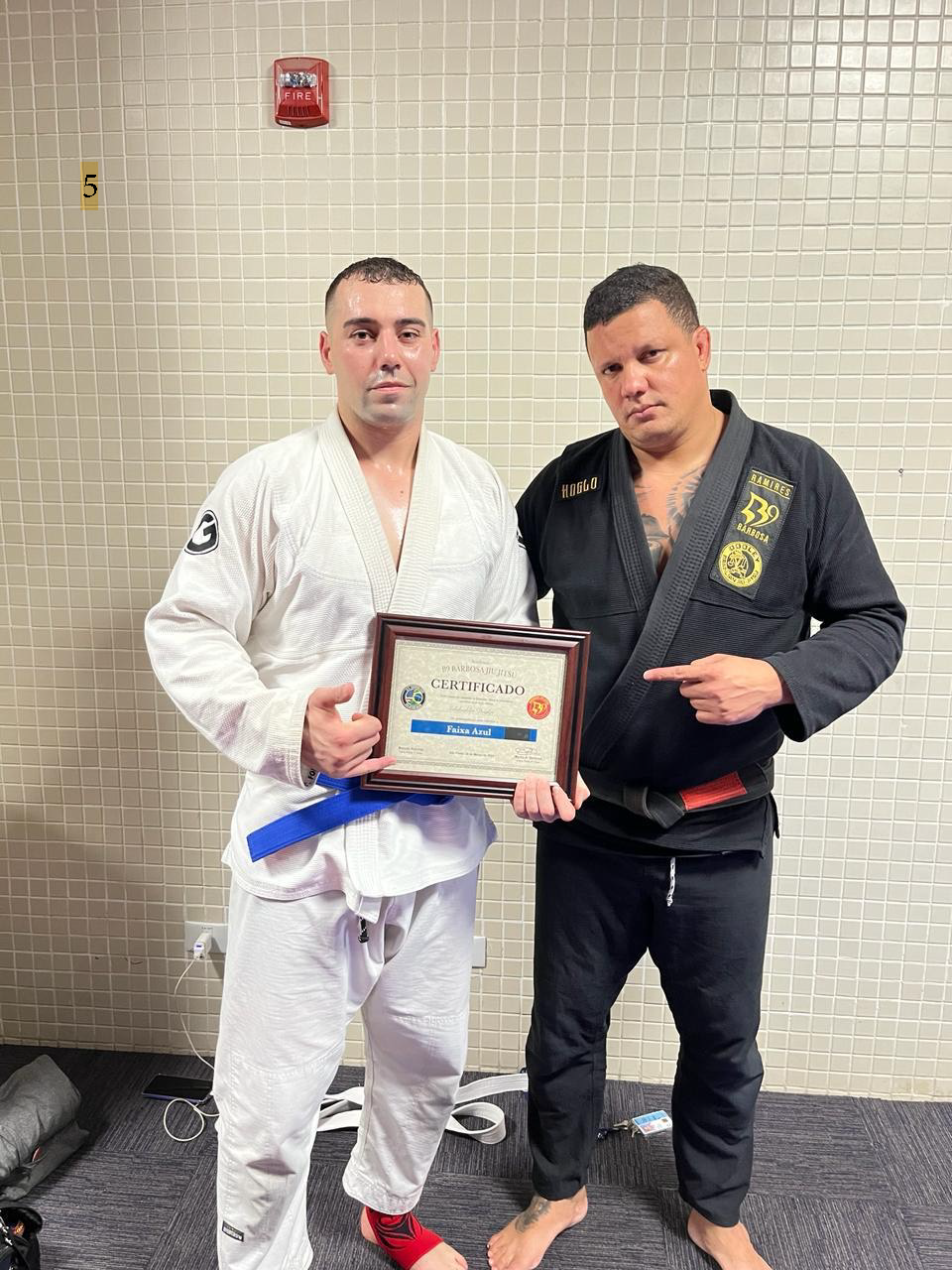
The jiu-jitsu community provided more than friendship to Doghri and some of his colleagues; it became a vital cultural support network. He was able to participate, for instance, in a joint symposium with legendary fighter Antônio Rodrigo “Minotauro” Nogueira. Friends from the mat were able to facilitate connections to other organizations in the city. And he had a perpetual sounding board when it came to confusion or misunderstanding about the nuances of the culture and its language. “Having our jiu-jitsu family significantly bridged gaps for us if there was any assistance needed with the culture or language,” he remembers. Doghri, who earned a blue belt while he was in Brazil, now continues his training back in Texas, at Atomic Jiu-Jitsu in Buda.
Reflecting on his journey from São Paulo’s training mats to UT’s classrooms, Doghri is grateful both for where he is now and what he’s been able to learn before getting here. “I recognize I have been lucky to be privileged with all the experiences life has taken me to,” he says. “All I can do with those privileges is learn from them and pay them forward to enhance the betterment of people around me no matter where I am at.”
This service-oriented mindset guides his approach looking ahead. “It does not matter what level of IRG I might find myself in, I feel confident that whatever experiences I have gained from the past can only assist me in the future,” he explains. “I look at it as another chance to grow, assist, and share.”