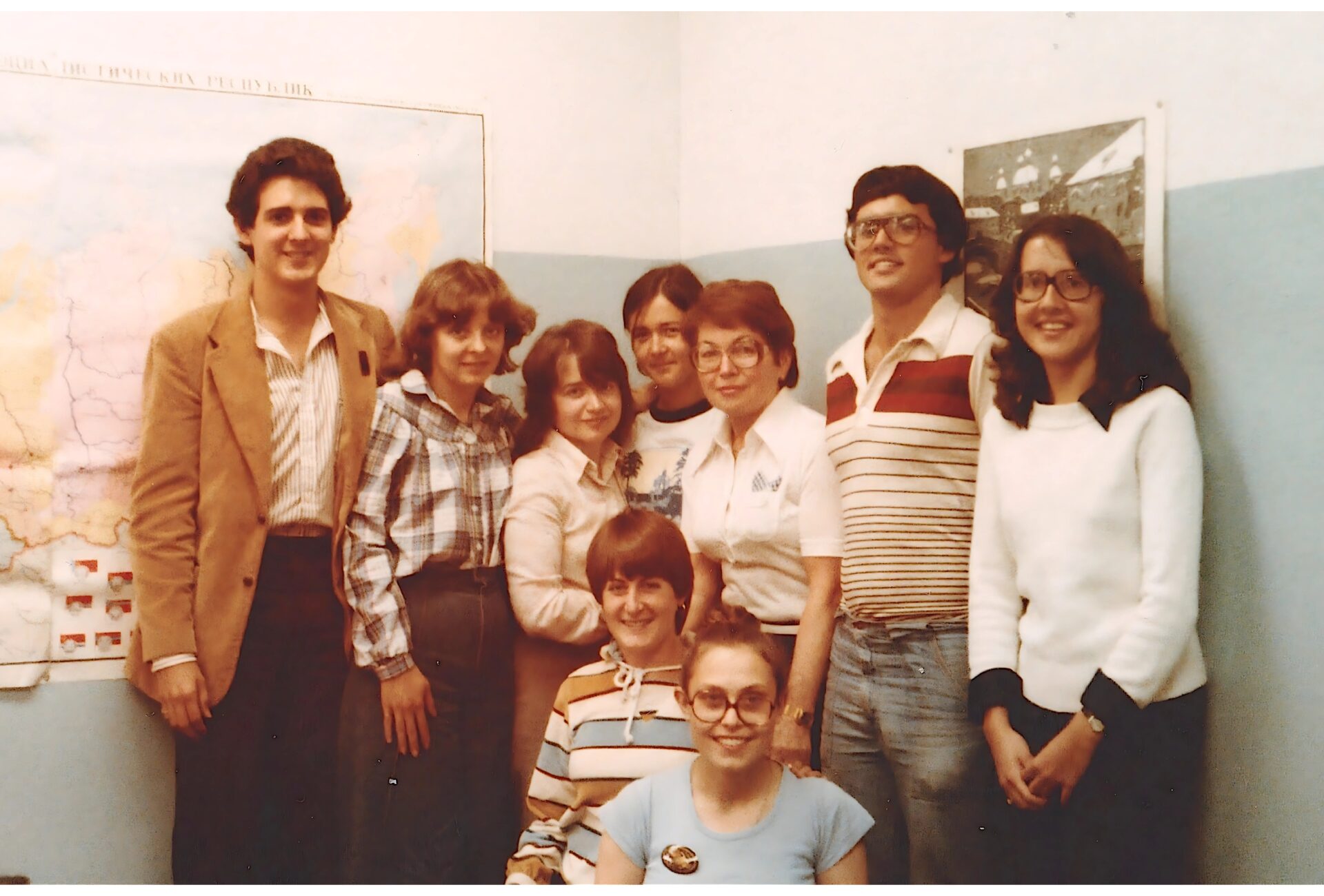
“Is that really necessary?” Thomas Jesús Garza recalls thinking as he descended the stairs to the tarmac of Leningrad’s airport and saw two flanks of armed guards. It was the summer of 1979 and Russia will still part of the Soviet Union. Garza, now an associate professor of Slavic and Eurasian studies at UT and director of the Texas Language Center, had just completed his sophomore year at Haverford College. This was not only his first trip to Russia but his first time outside of North America and, while he didn’t buy into Cold War propaganda of Russia as the enemy of all things wholesome and American, these men with guns were certainly alarming.
But Russia’s stunning cities and welcoming people would quickly win him over. Garza had initially taken Russian to fulfill a language requirement and found its sound and structure captivating enough to already be contemplating further study. Seeing Russia and experiencing its culture up close removed any doubts. He declared Russian as his major upon returning to the U.S. and spent the next four decades regularly visiting, conducting research in, and sometimes living in the country as it underwent profound political, economic, and cultural transformations.
Garza spent much of that first trip in Leningrad (now St. Petersburg), taking courses at Leningrad State University, bunking in a dormitory on the banks of the Neva River, and touring the city with his classmates and their Russian “handler.” Toward the end of the summer, the group traveled through the Baltic States and Ukraine before flying home from Moscow.
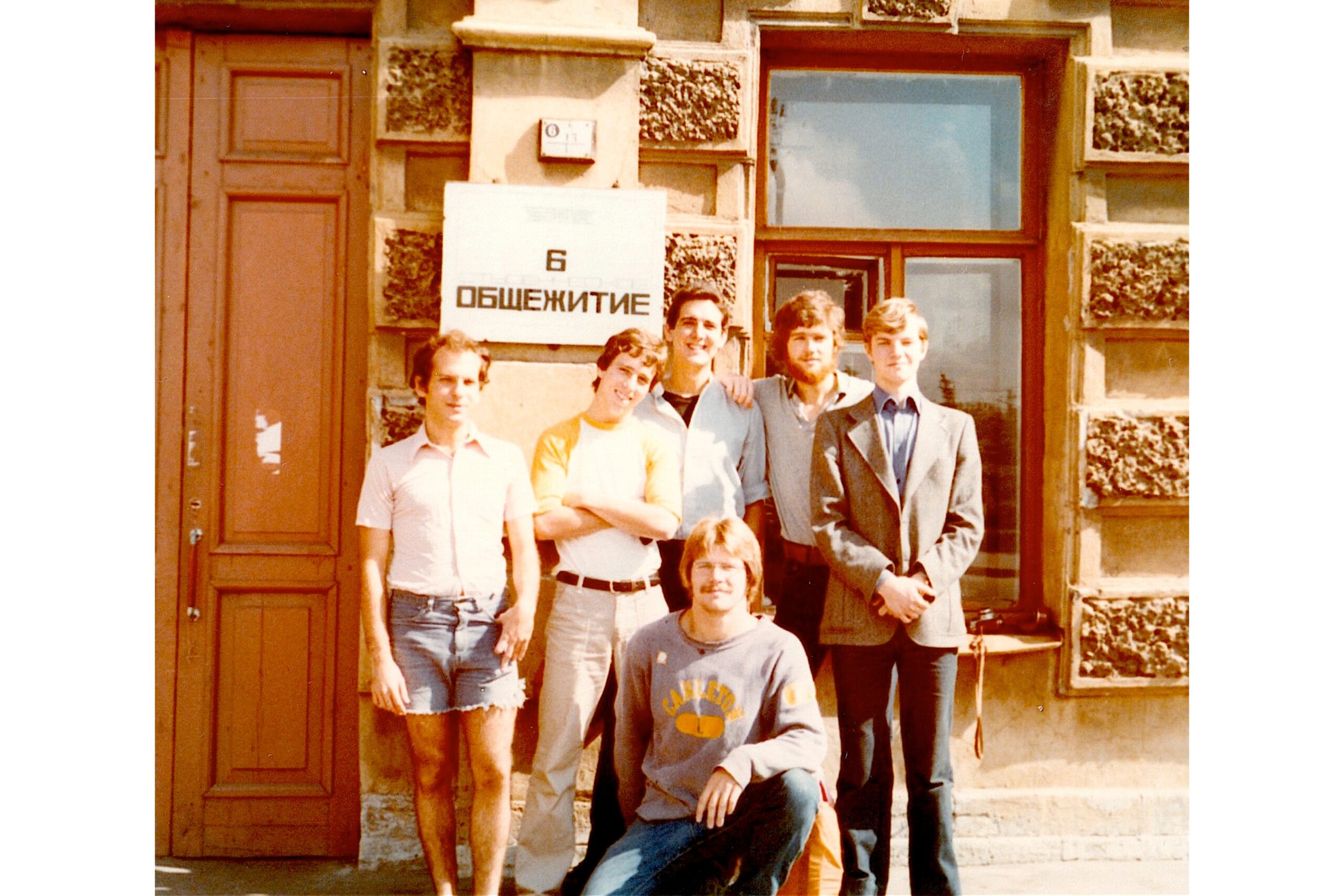
Moscow, with its bustling streets and world-class museums and theaters, convinced Garza to commit to studying Russian.
“I loved Leningrad, but Moscow was like visiting New York for the first time,” he says. “It was a capital city. Busy, huge. The scale was something I’d never seen before: the scale of buildings, the scale of streets, the number of people on the streets. And I just knew I wanted to come back.”
At the same time, Garza was also perplexed that the inhabitants of such a thriving, culturally sophisticated city would tolerate living under authoritarian rule, an observation he now views as naïve. Subsequent trips and study made clear to Garza the challenges and repercussions for Russians voicing any criticisms they might have had of their government.
Soviet communism didn’t just stifle political opposition: it seemed to prevent any form of change. Garza notes that his early trips were marked by an uncanny stability. “One could go to a street corner and then leave for a year and come back to the same street corner, the same cars, the same people, the same clothing,” he says. Not being subject to the whims of Western consumerism had created a sort of aesthetic stagnation. “It was austerity to the point of monotony. There was this greyness to everything,”
That all changed in 1985, when Mikhail Gorbachev took office, ushering in a period of reform that would eventually lead to the dissolution of the Soviet Union. Soviet Russia had no freedom of assembly, and, in the past, all organizations, from political parties to hobby clubs, had to be officially approved by the government, which prevented many from forming. Suddenly, for the first time since Garza started visiting the country, he saw unofficial groups — some political, some just social — cropping up and holding public meetings, something that would have been unimaginable just a few years before.
It wasn’t completely without risk, Garza says, but “people weren’t afraid to be afraid.”
This new openness (glasnost in Russian, which was the slogan of Gorbachev’s administration) came at the expense of the old stability. Garza came to UT Austin in the fall of 1990, just as the Soviet Union was unraveling, and took his first group of UT students to Moscow in the summer or 1991. He recalls the ‘90s as a period of rapidly changing regulations and drastic financial fluctuation. It was hard to advise students (and their worried parents) on what to expect or even how much money to bring as the value of the ruble changed constantly. During one particularly volatile summer toward the end of the decade, he says, his Russian teaching salary was paid in bags of cash due to hyperinflation and then, when currency ran low, crates of crystal, or food, or whatever other goods were on hand.
Privatization of Russia’s economy after the collapse of the Soviet Union created a more colorful but also more unequal consumer landscape. Many of Garza’s friends and colleagues who worked in education took second jobs to afford the cost of living. Meanwhile, the “new Russians” — entrepreneurs of varying degrees of lawfulness who amassed enormous wealth in the nascent market economy — drove around in imported luxury cars wearing conspicuous quantities of gold and diamonds.
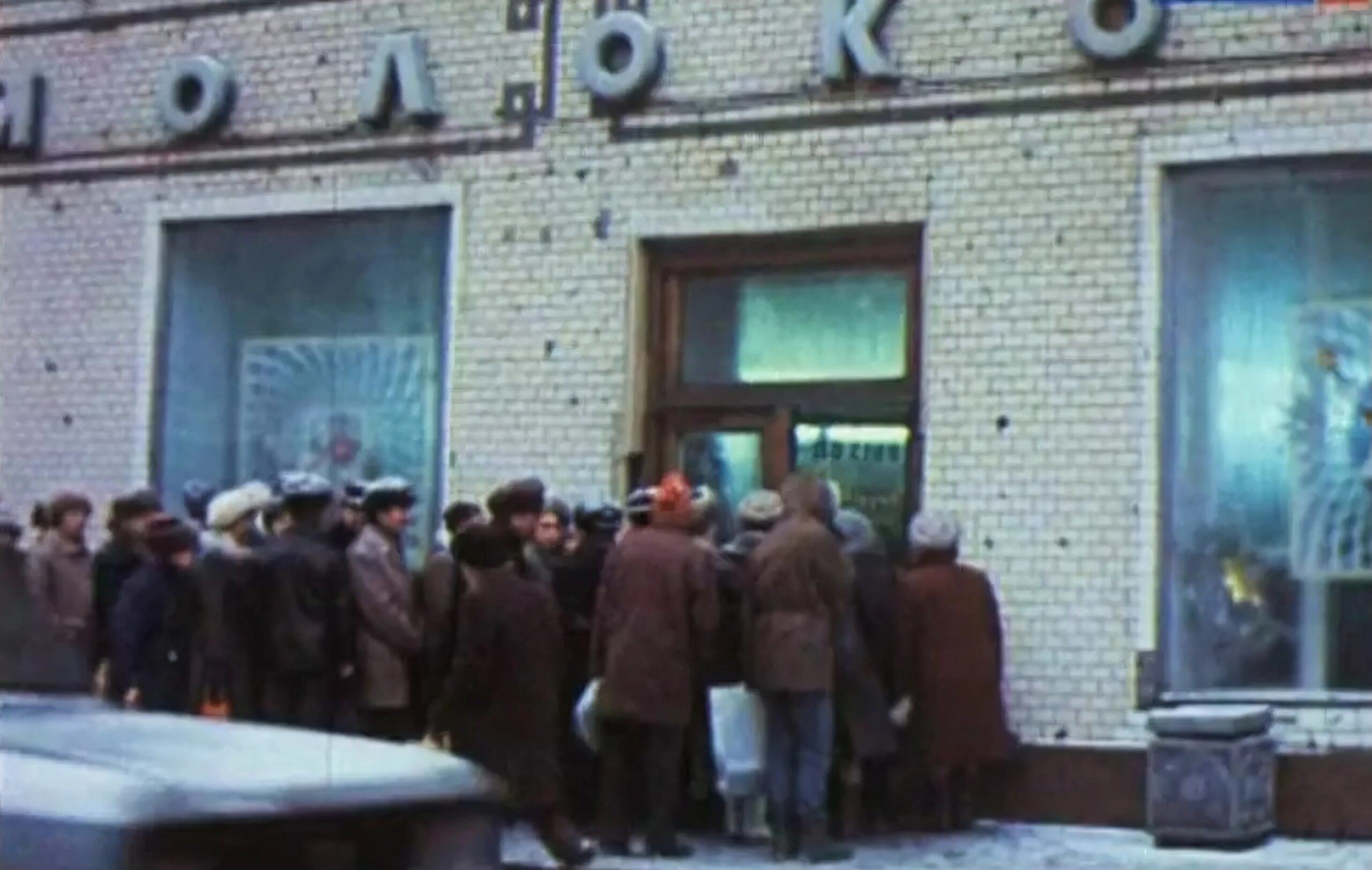
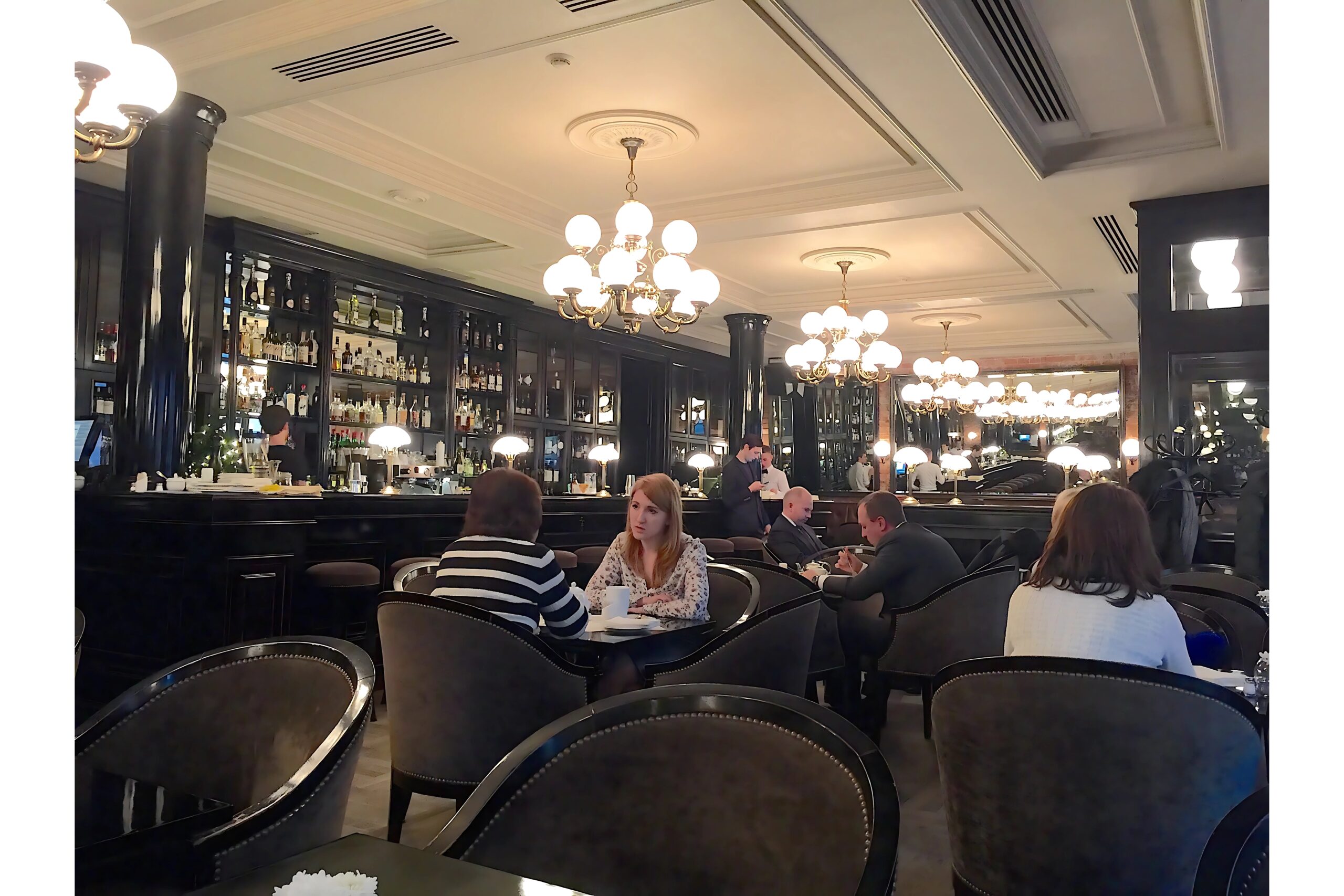
In the past, visitors with foreign currency could purchase Russian goods, like caviar and furs, that were inaccessible to locals. Now any perks were reserved for Russia’s new elite.
“It was a real wake up call,” says Garza, describing a time when he offered to treat Russian friends to dinner at a popular restaurant only to have them explain that it was impossible for ordinary people to get in. “An assistant professor from UT just didn’t have the clout.”
Garza continued taking students to Moscow every summer through 2019, in addition to personal trips. He saw the economy stabilize under Vladimir Putin and watched Moscow and St. Petersburg (formerly Leningrad) transform into technologically modern, Westernized cities. He recalls feeling initially optimistic when Putin was first elected in 2000, and that optimism fading over the next two decades as Putin consolidated power, suppressed dissent, and incrementally eliminated so many of the freedoms won during the 1990s. In January of 2020, Garza vividly remembers watching from his hotel as a procession of cars left the federal assembly Duma building. This, he would later learn, was the day Putin dissolved his government in order to revise Russia’s constitution and stay in power beyond his term limit.
What Garza also didn’t realize back in early 2020 was that it would be his last trip to Russia for an indefinite amount of time. Travel to Russia from the U.S. became harder due to Covid-19 restrictions and then due to Russia’s invasion of Ukraine. And in March of 2024, Garza was added to Russia’s growing list of visitors banned for being “anti-Russian propagandists.” He notes, with irony, that he received this news while giving a paper on the importance of reading Russian literature, both past and present.
When I ask Garza what he misses most about traveling to Russia, he’s unable to limit himself to a single answer: Moscow’s excellent theaters, his dear friends and academic collaborators, his favorite cafés. But there is also something intangible.
“I miss the feel of being there. It’s a lightness of being,” he says. “In Moscow, I never thought about presenting myself, I could be myself more than anywhere else I’ve ever lived. The irony is that the word that comes to mind is ‘freedom,’ and of course I was never free in the Soviet Union or even in Putin’s Russia, but it was this feeling of liberty.”
Even more than all those things, though, Garza misses being able to take student groups to Moscow. “I loved that I could vicariously relive through them that moment when they first see the place. Nothing prepares you. It’s jaw dropping.”