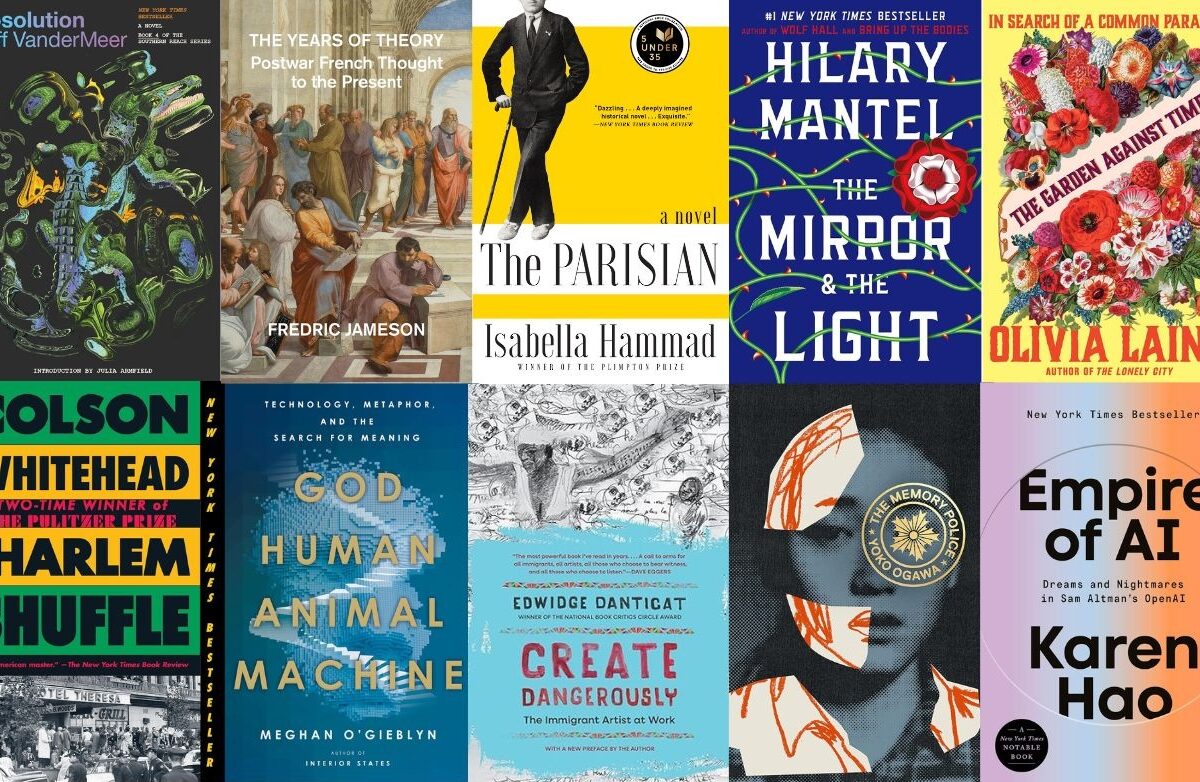
As we close out this year and look forward to the new one, we here at Life & Letters have asked a dozen UT Austin faculty authors to share their favorite reads from the last 12 months. There’s no rules around what can or can’t be recommended — you’ll see that the following books were published anywhere from months to years ago and span genres and disciplines — we only ask that faculty pick a book they’re excited about and tell us why. Read on for their 2025 picks, and we wish you and yours all the best in 2026.
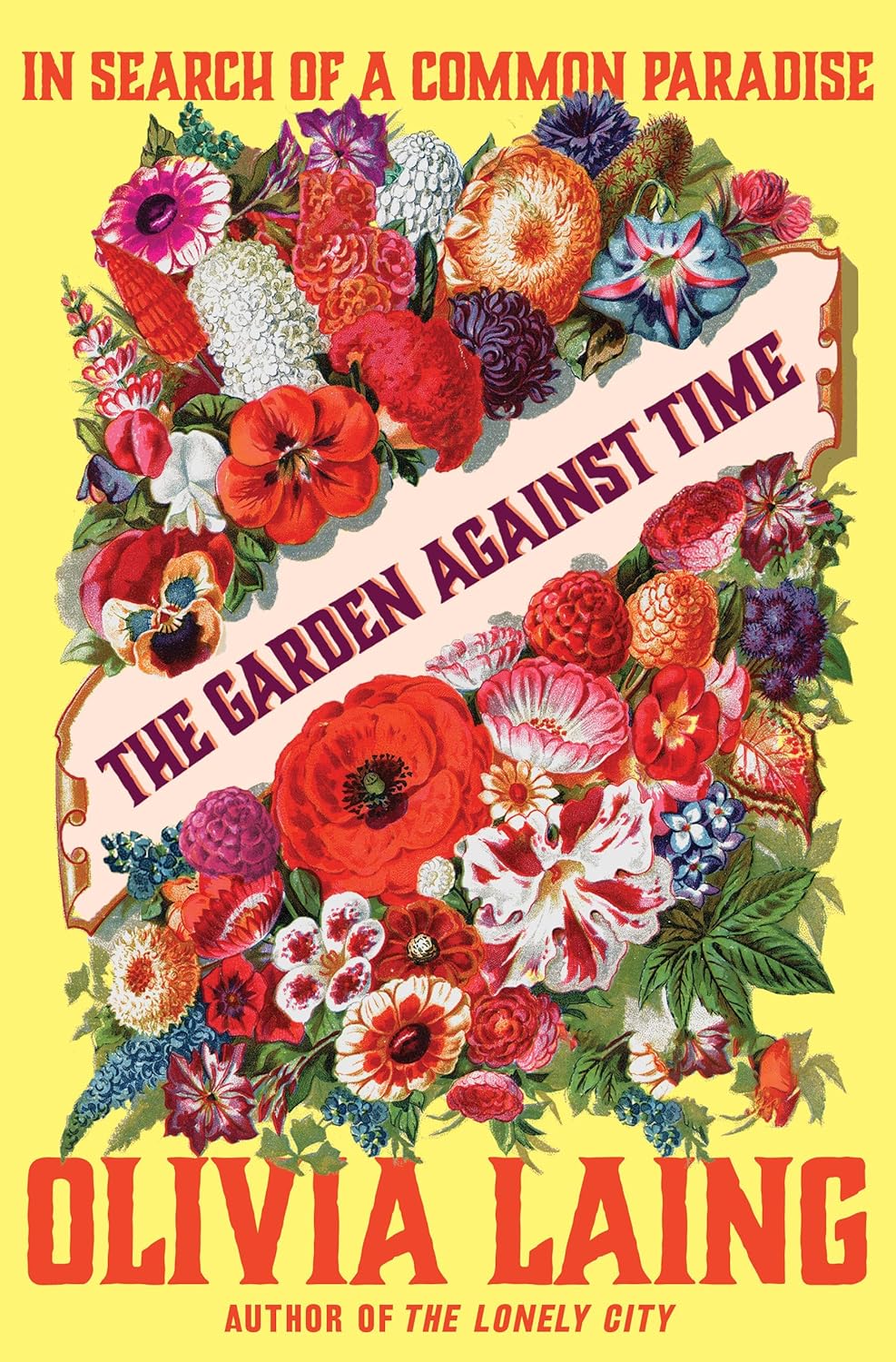
Julija Šukys, associate professor of English and author of Artifact: Encounters with the Campus Shooting Archives, recommends The Garden Against Time by Olivia Laing
Olivia Laing’s The Garden Against Time proceeds by association. Using the rehabilitation of her new-to-her home garden as a frame, the author then fans out across history to consider what horticulture reveals about power, care, and time. She introduces us to towering figures like Capability Brown, whose grand landscapes inspire both admiration and unease, bound as they are to authority and hierarchy. Surprisingly (at least to me), the book considers W. G. Sebald as a garden writer, providing a new view on a beloved literary figure, asking what it means to tend what is fragile, fleeting, and shared.
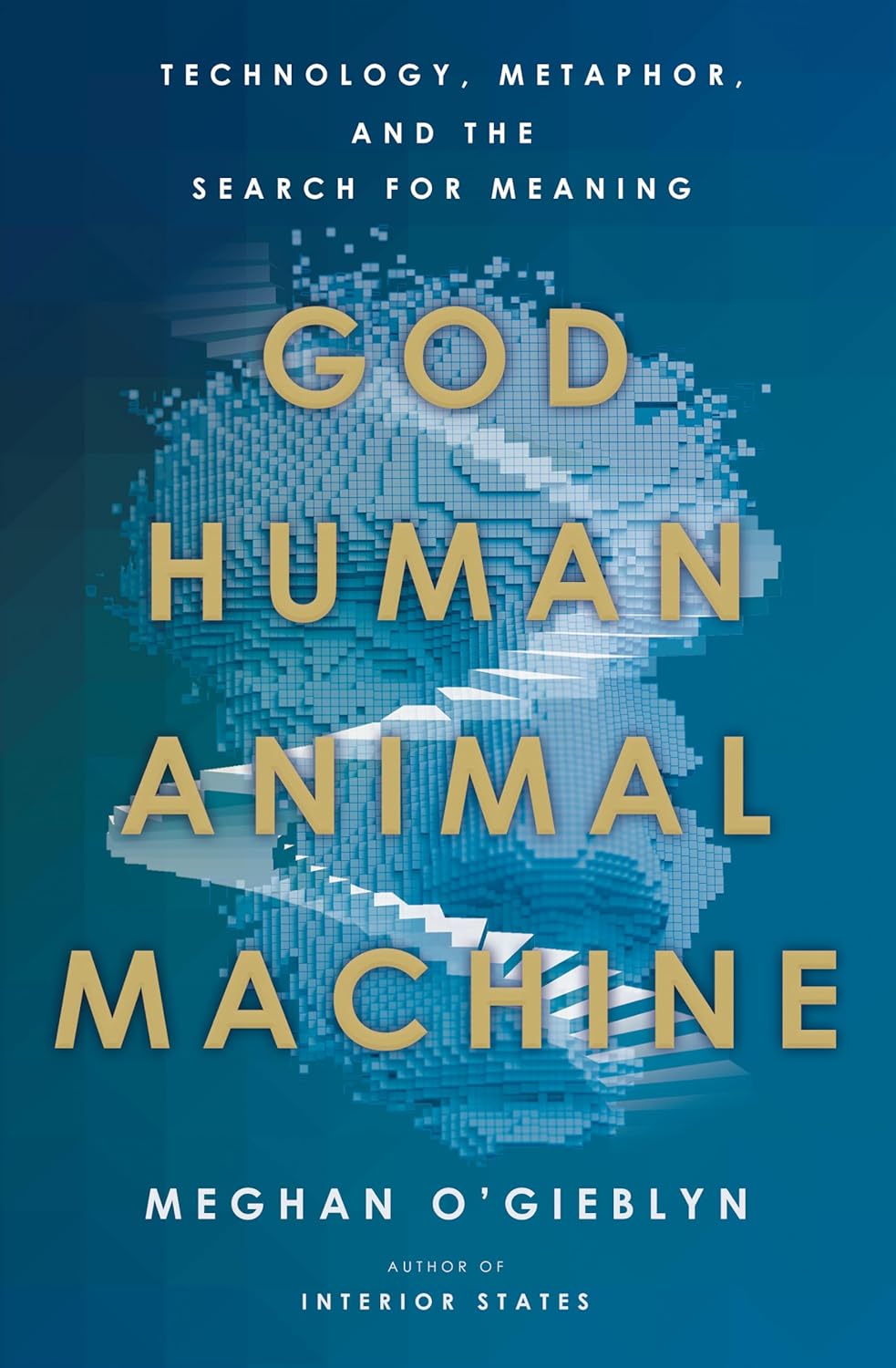
Chad Seales, associate professor of religious studies and subject of “Deus Ex Machina?”, recommends God, Human, Animal, Machine: Technology, Metaphor, and the Search for Meaning by Meghan O’Gieblyn
This is the one book that I’ve recommended the most this past year. It’s a book that makes you think twice about the promise of Artificial Intelligence and predictive technologies to usher in new forms of human freedom and flourishing. O’Gieblyn, who exited the theological world of evangelical Christianity with a host of questions that led her towards agnosticism, found the theological problems she thought she left behind regenerated within technological futurism. Rather than professing faith in a mysterious God who predestined some for heaven and some for hell, humans now submitted to the unknown forces of data machines that determined our fate. God, Human, Animal, Machine is a wonderfully written and staggeringly honest account of what it means to be human in the face of the unknown we have come to believe can know us more than we know ourselves.
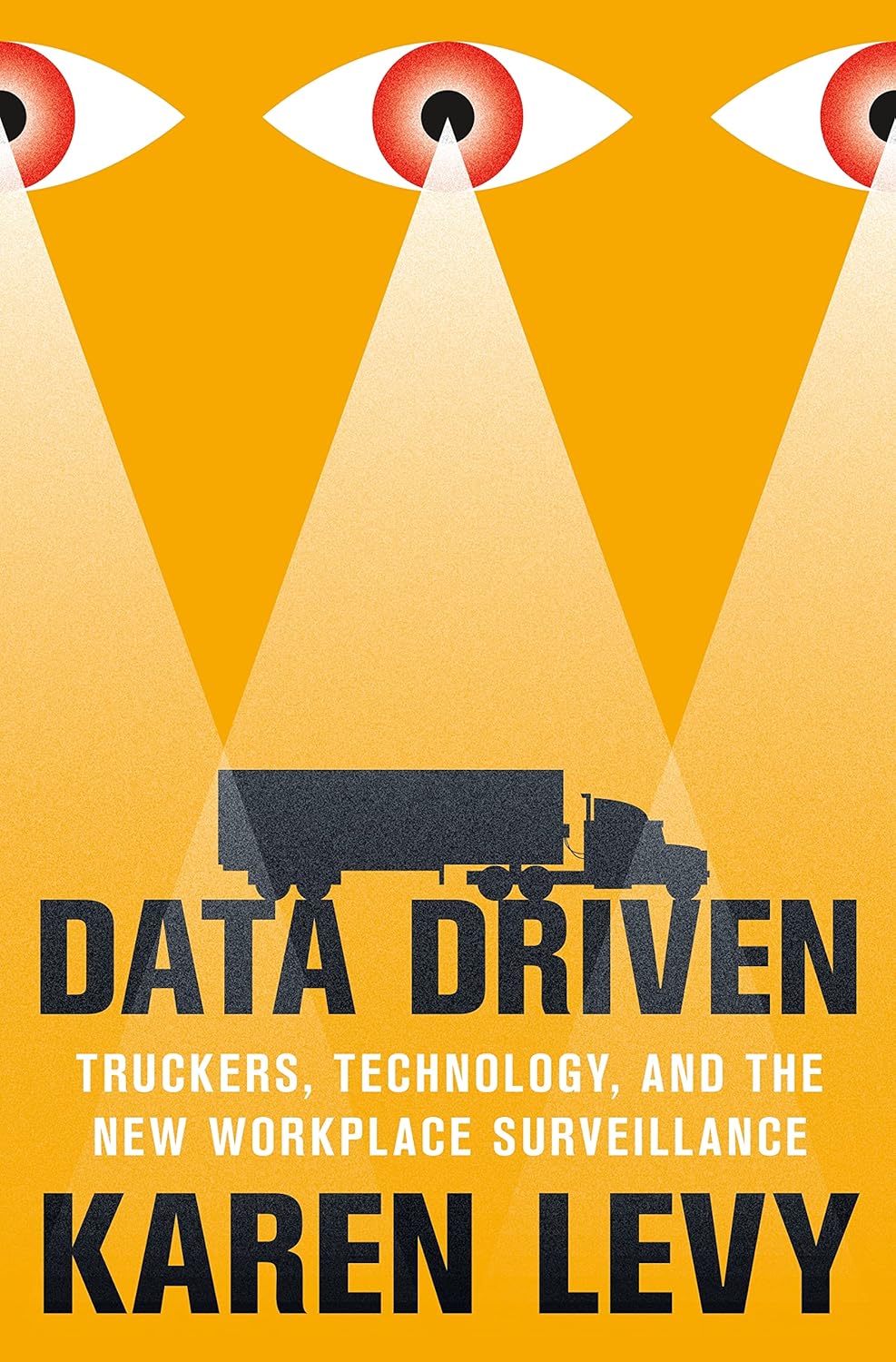
Kathleen Griesbach, assistant professor of sociology and subject of “Hustling Today to Rest Tomorrow,” recommends Data Driven: Truckers, Technology, and the New Workplace Surveillance by Karen Levy
Data Driven highlights the many (unintended) consequences of introducing new technology (specifically the electronic logging device, or ELD) into truckers’ work process in the 2010s. It shows how this technology only exacerbated truckers’ structural financial precarity while also threatening their sense of autonomy and expertise. The book is an ethnography that also highlights the modern history of trucking and how truckers’ lives and livelihoods came to be so insecure (for more on the latter, the sociologist Steve Viscelli wrote another great book called The Big Rig). Somehow this book also manages to be a rich and vivid investigation of the trucker in American culture! Data Driven has insights for thinking about trucking and technology today, including the experiments in driverless trucks we’re seeing on Texas highways. It shows how technology’s impacts are fundamentally shaped by social interactions and social forces, showing how technological change is contingent and unpredictable at a moment when it might feel inevitable.
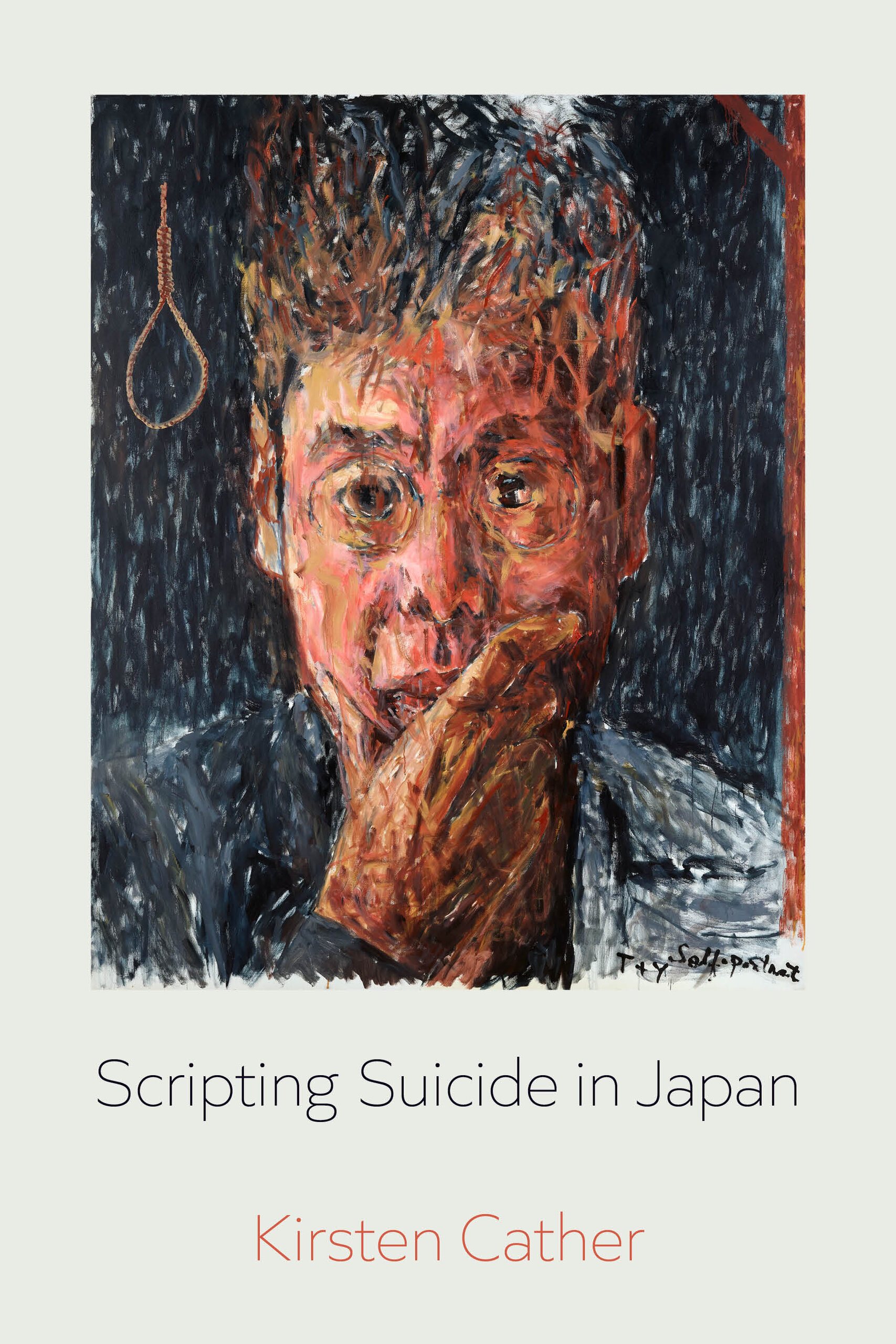
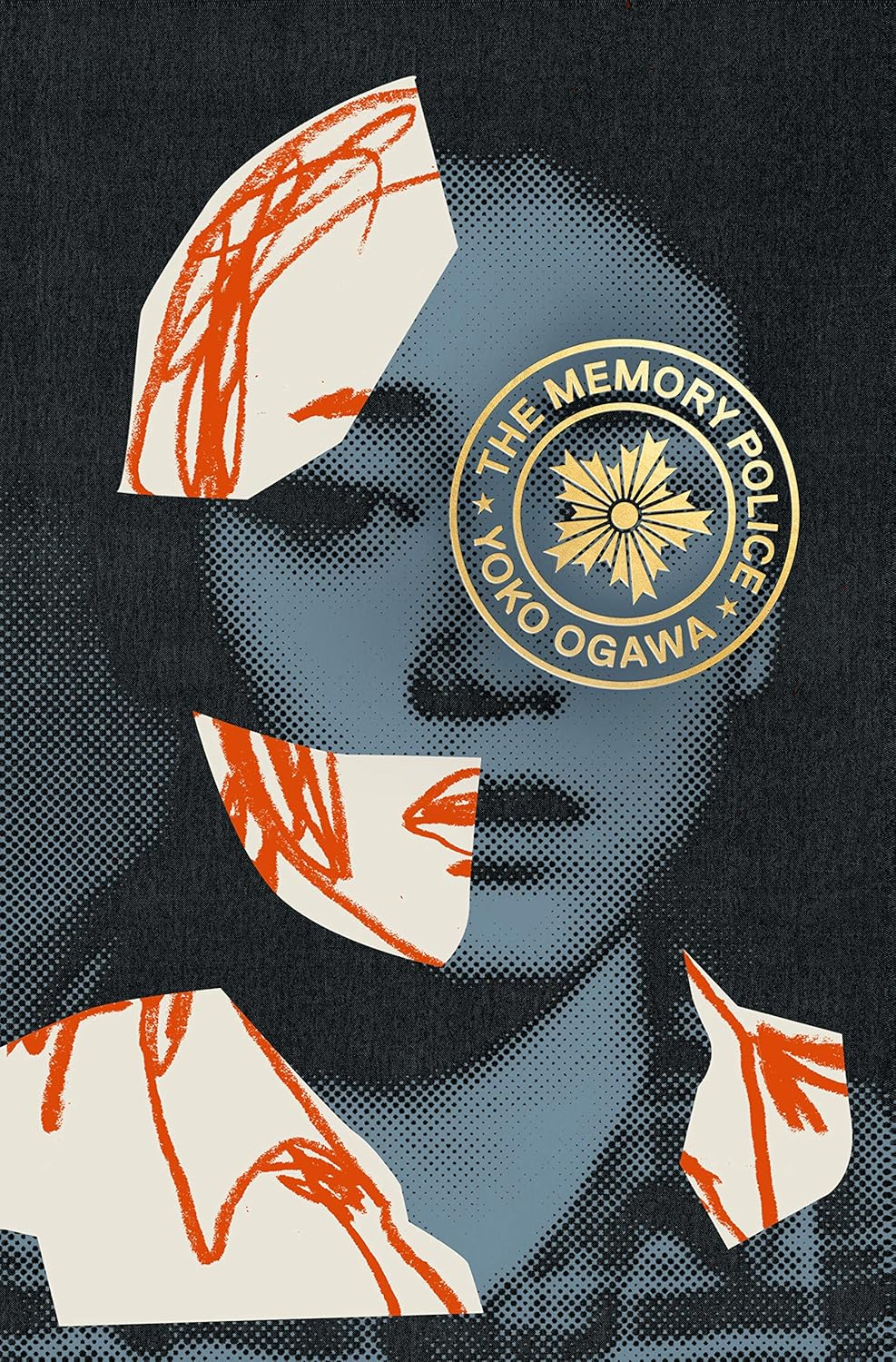
Kirsten Cather, professor of Asian studies, director of the Center for East Asian Studies, and author of Scripting Suicide in Japan, recommends The Memory Police by Yōko Ogawa
Even in my pleasure reading, I can’t seem to get away from dark, haunting topics. But this novel haunts in a good way. It begins with a simple premise: a totalitarian world where things disappear one-by-one, from the seemingly frivolous — roses and perfume — to essentials like maps, photographs, and books. First the object, then the words for that object, and eventually all memories are obliterated. For most people, these frictionless disappearances hardly disrupt their daily lives, but a select few retain their memories and become enemies of the state. Ogawa’s novel offers a beautiful meditation on the ways that censorship remains ever-present, shrinking our worlds. At the same time, it reminds us that being haunted by the beloved people and things we have lost in our lives offers its own form of salvation.
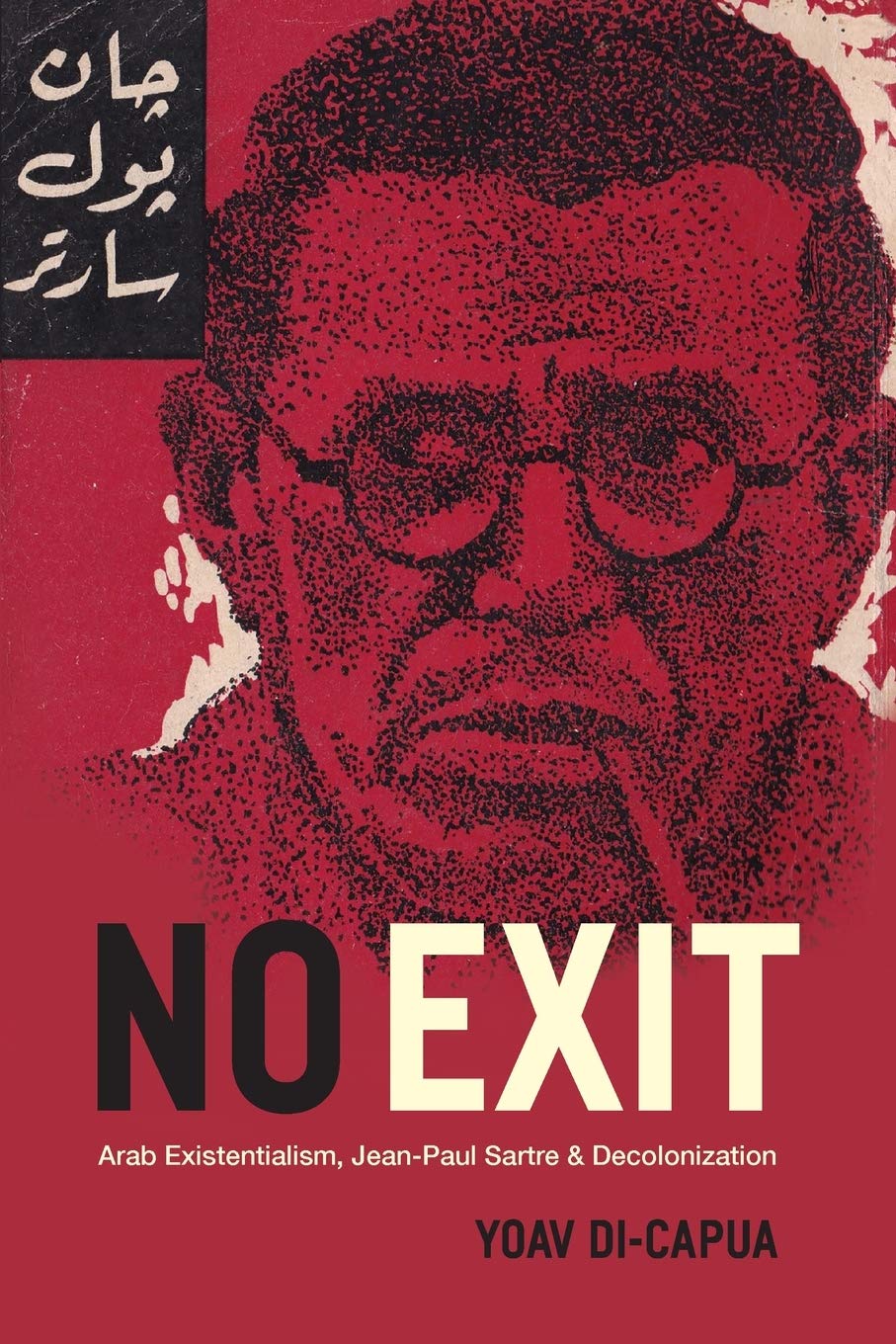
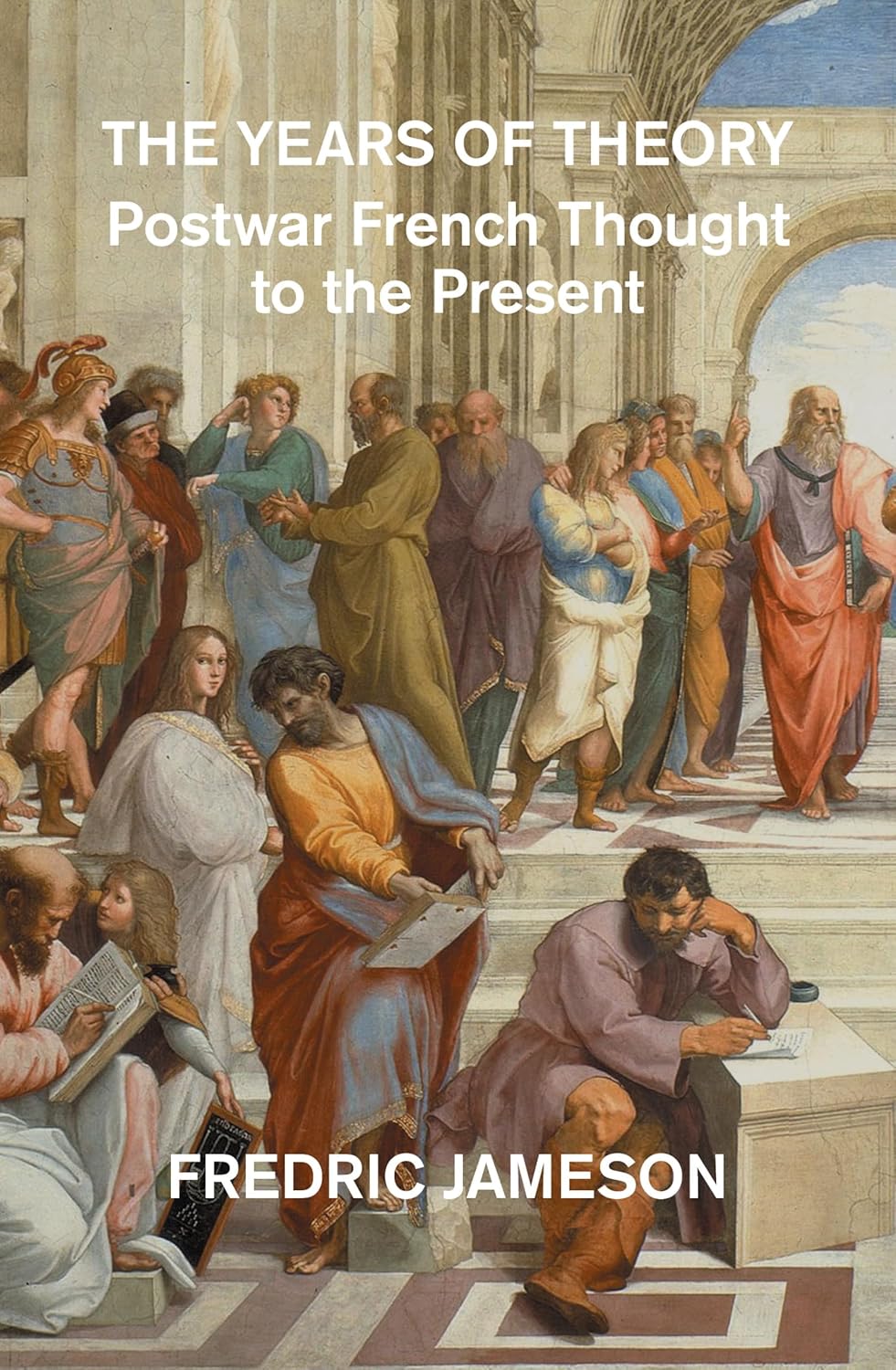
Yoav Di-Capua, professor of history, director of the Institute for Historical Studies, and author of No Exit: Arab Existentialism, Jean-Paul Sartre, and Decolonization recommends The Years of Theory: Postwar French Thought to the Present by Fredric Jameson
Have you ever wondered what all the fancy academic talk about “theory” — French theory in particular — is really about? How did a post–World War II foreign system of thought come to exert such an iron grip on the cultural and political imagination of at least three generations of American professors? And what kind of cultural work did French theory perform on American campuses?
In this posthumously published book, American literary critic and philosopher Fredric Jameson takes the reader on a personal journey through half a century of French theory. At times idiosyncratic and at others more conventional, The Years of Theory is not intended as an introduction to contemporary French philosophy but rather as a meditation on it — and a distinctly American one at that. From the spectacular ascent of existentialism and structuralism, through post-structuralism and high postmodernism, Jameson explores key philosophical moments and turning points, engaging with household names such as Lévi-Strauss, Althusser, Barthes, Lacan, Derrida, Guattari, Deleuze, Kristeva, Foucault, Lyotard, Rancière, Baudrillard, Alain Badiou, and many others.
With characteristic irony, Jameson reflects on how “theory” shifted from a revolutionary mode of thought opposed to the totalizing nature of “the system” into a hegemonic system in its own right. Marked by an aura of exclusivity and elitism, and by the promise of an esoteric path to hidden knowledge about virtually everything, one might be tempted to dismiss theory as an irrelevant academic affectation. That would be a mistake. Its fingerprints can be found across nearly every front of the American culture wars — most notably in debates over grand narratives, great texts, and the structure of the college curriculum, to say nothing about questions of race and gender. Both critical and sympathetic, Jameson’s timely book invites us to imagine a much-needed new phase in the humanities, one in which a more synthetic and relaxed engagement with the cultural legacies of Europe and America might finally command broad consensus.
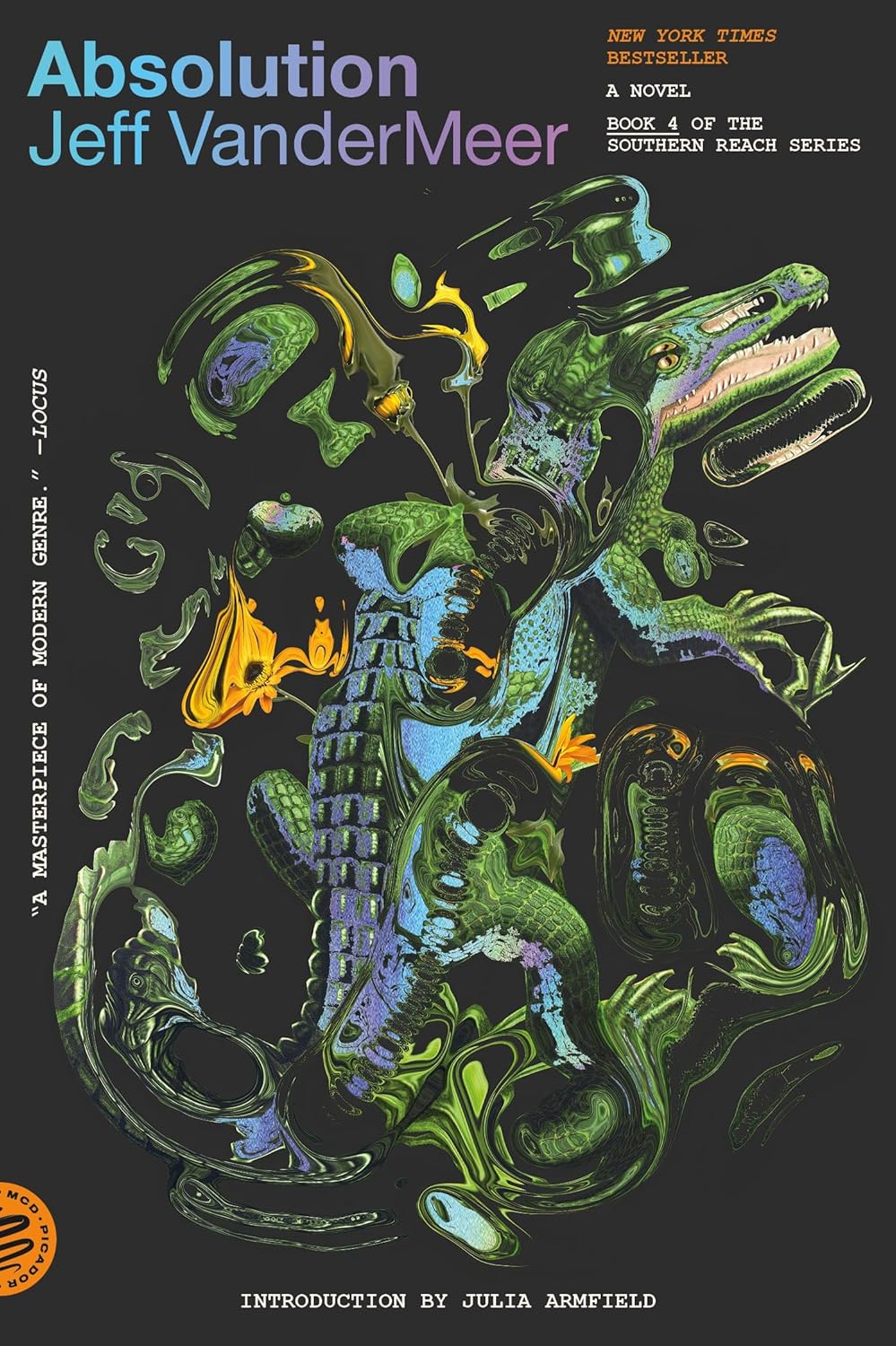
Jason Cons, associate professor of anthropology and author of Delta Futures: Time, Territory, and Capture on a Climate Frontier, recommends Absolution: A Southern Reach Novel by Jeff VanderMeer
I typically avoid dystopian fiction: the climate realities that I work on are dystopian enough. But this year, I was thrilled by the return of Jeff VanderMeer’s Southern Reach series. VanderMeer’s books explore “Area X” — a mysterious disturbed ecology cut off from but located in a place resembling Southern Florida. They are some of the eeriest, strangest, and most satisfying works of speculative fiction I’ve read. Absolution is a genre-bending prequel to his original trilogy that blends noir with Southern gothic and an eye for the profoundly uncanny. I loved this book.
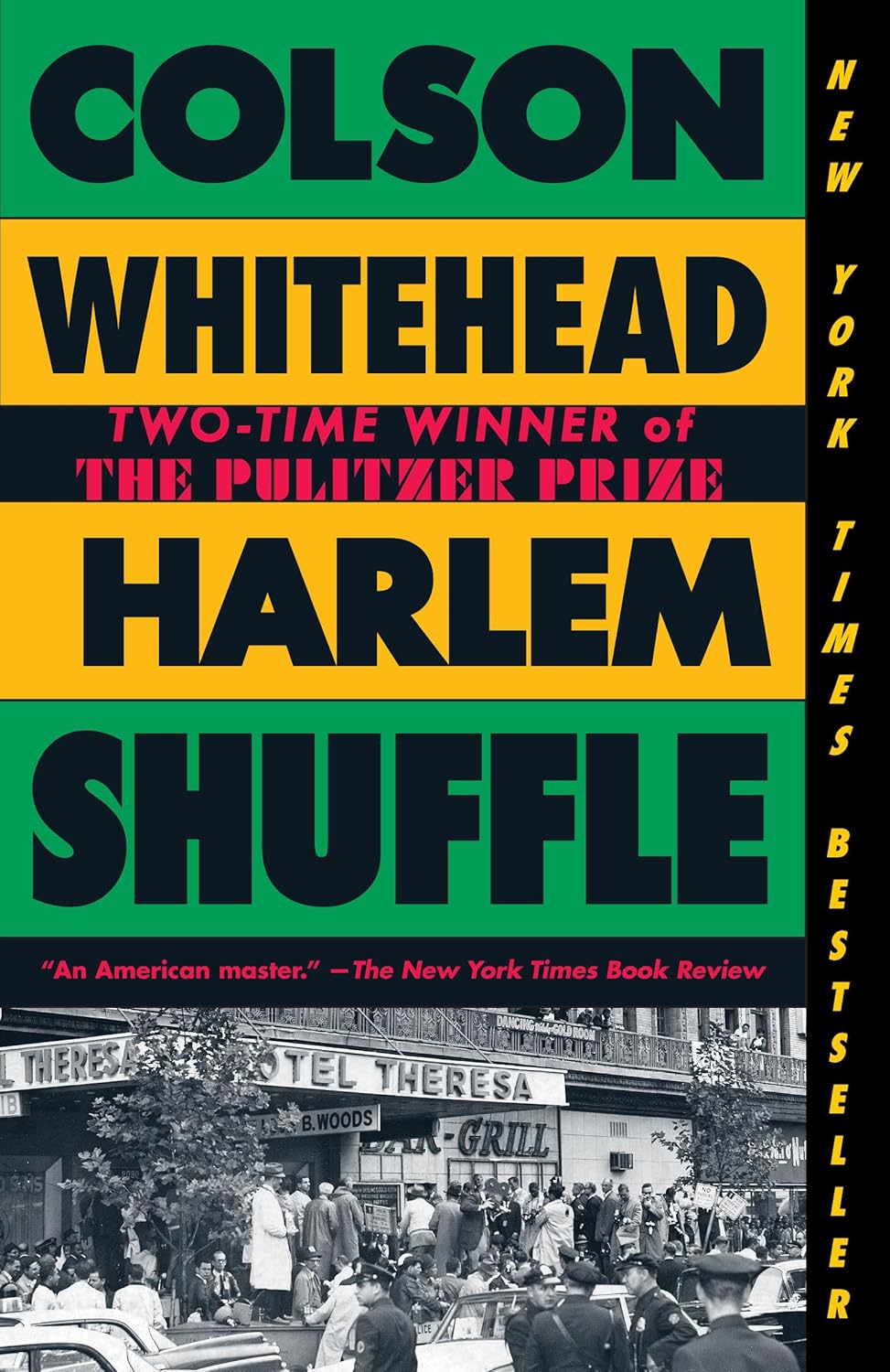
John Hoberman, professor of Germanic studies, recommends Harlem Shuffle by Colson Whitehead
It is no accident that Colson Whitehead has won two Pulitzer Prizes for fiction. He demonstrates perfect pitch as he creates the mood of his (Black) first-person narrator and the vernaculars that he and the other characters employ. He has a gift for composing conversations that flow effortlessly. On a larger scale, he invokes the major themes of African-American life with subtlety and weaves them into a larger narration about the various forms of segregation and fraud that are inherent in American life.
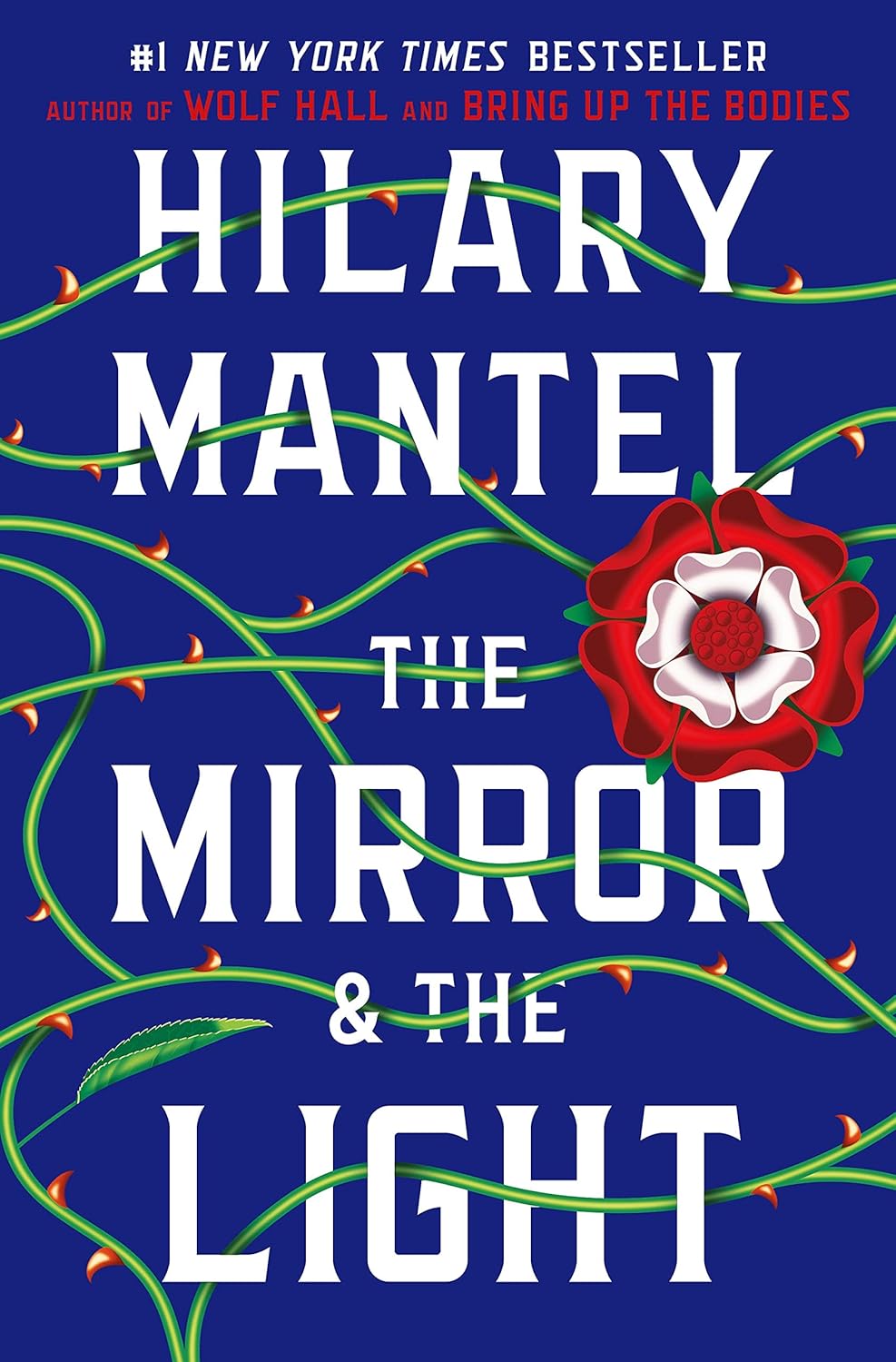
Frances Champagne, professor of psychology and associate dean of research in the College of Liberal Arts, recommends The Mirror and the Light by Hilary Mantel
In 2025, I read Hillary Mantel’s final novel — the third from her Wolf Hall trilogy — focused on Thomas Cromwell and the intrigues of 16th century England during Henry VIII’s reign. Published in 2020, Mantel’s Booker Prize-winning historical fiction is a delight to experience and brings to life a personal narrative of its infamous protagonist. This final novel is full of foreboding as Cromwell navigates the ever-changing political landscape of his time and both the triumph and perils of royal favor. The novel weaves in imagined dialogues with ghosts from Cromwell’s past creating a haunting finale to a truly remarkable story.
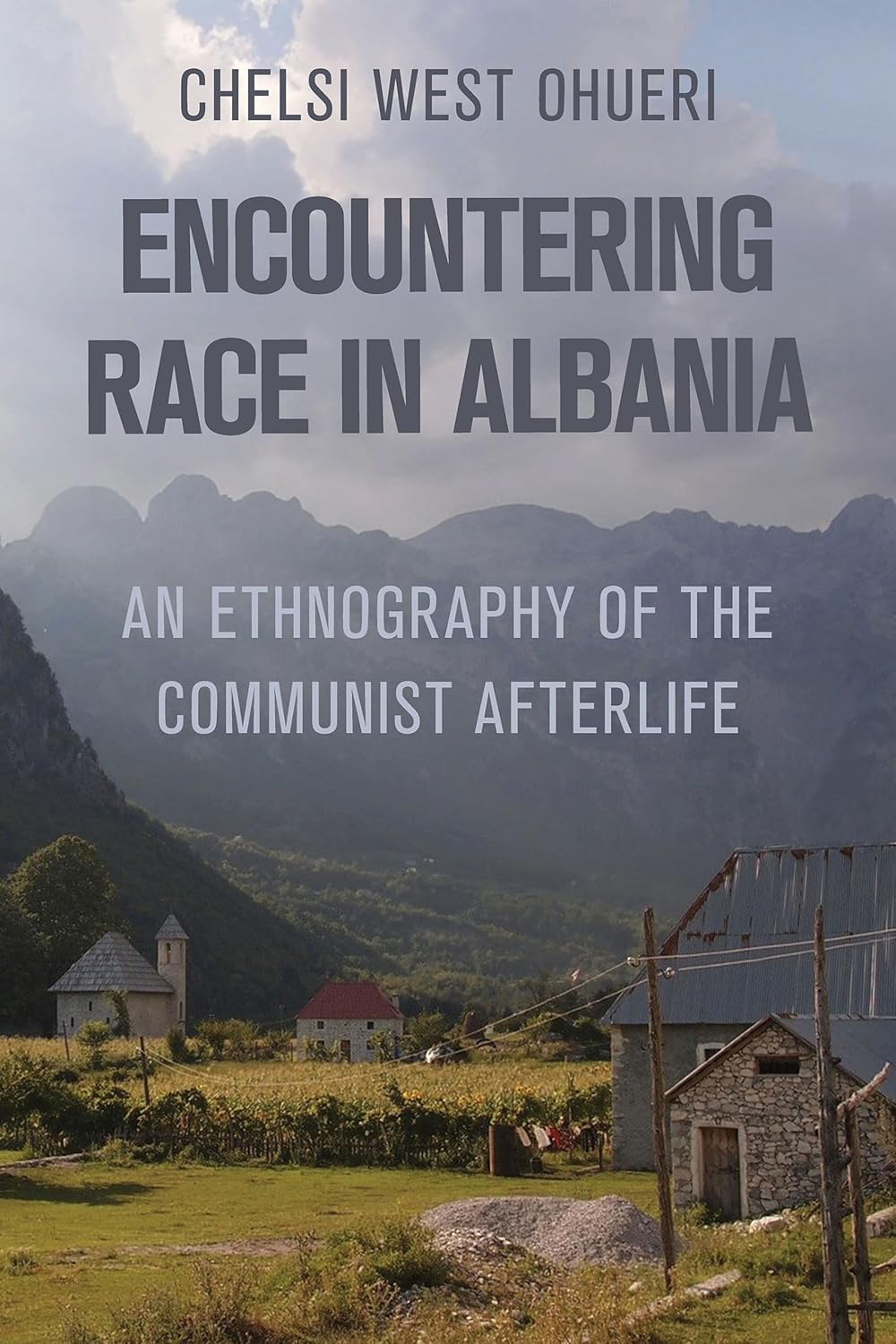
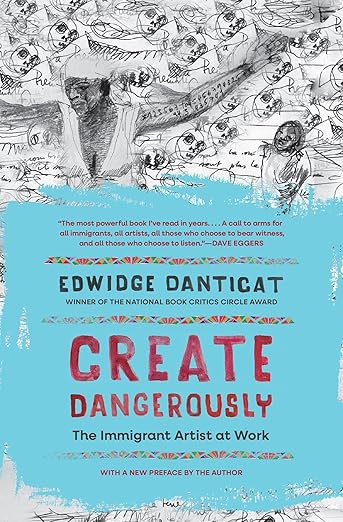
Chelsi West Ohueri, assistant professor of Slavic and Eurasian studies and author of Encountering Race in Albania: An Ethnography of the Communist Afterlife, recommends Create Dangerously by Edwidge Danticat
Create Dangerously is not a new book, but it is a deeply personal and moving book by one of my favorite writers, and I revisit the book often whenever I am trying to envision, to write, and to create. I love to read Danticat’s words as she wrestles with memory, storytelling, and voice. During my most recent read I really connected with Danticat’s recounting of reading in public libraries in her youth because I too have been returning to reading and writing in public libraries. The book consists of personal essays which makes it a great source for reading sections at a time or finishing it all at once.
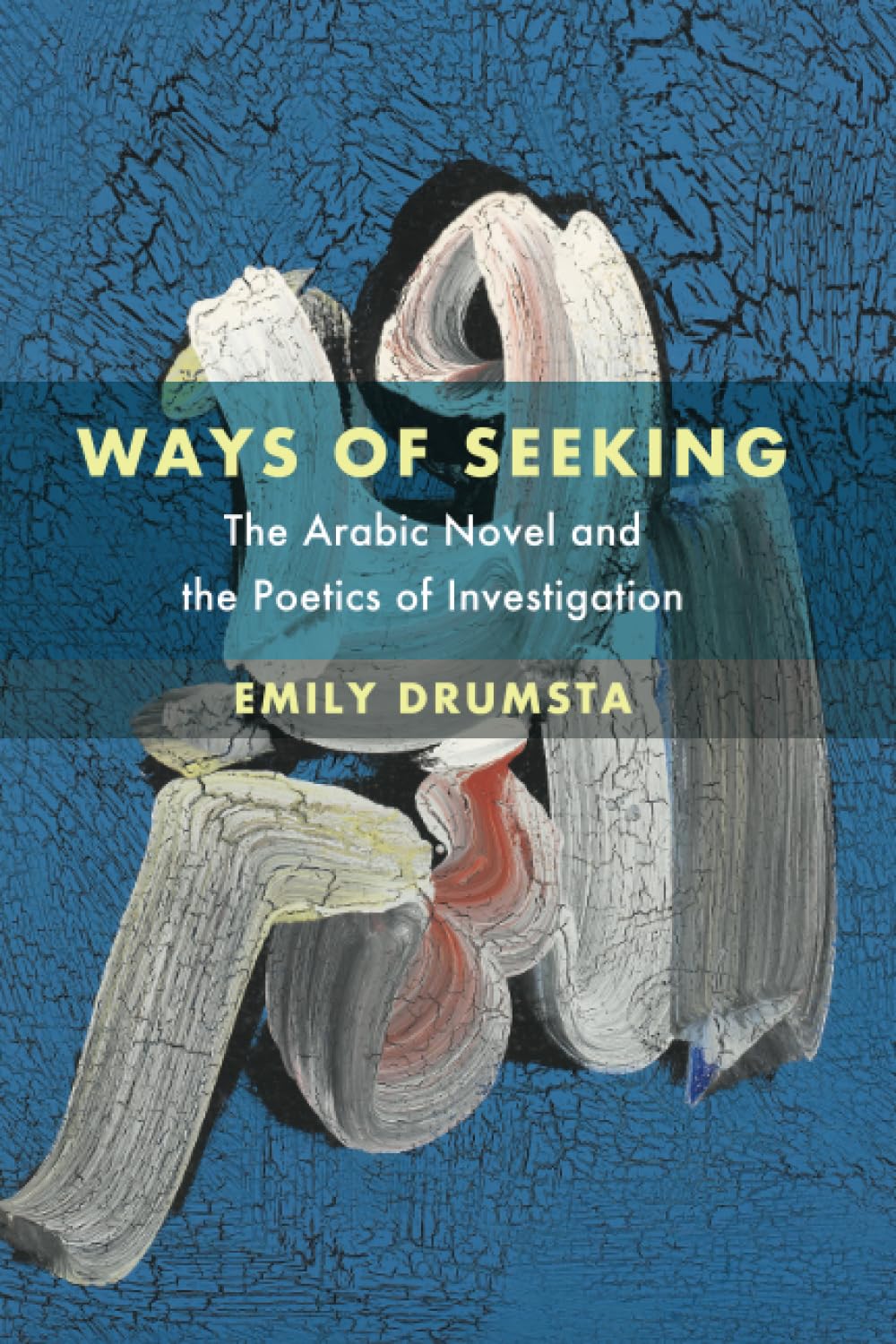
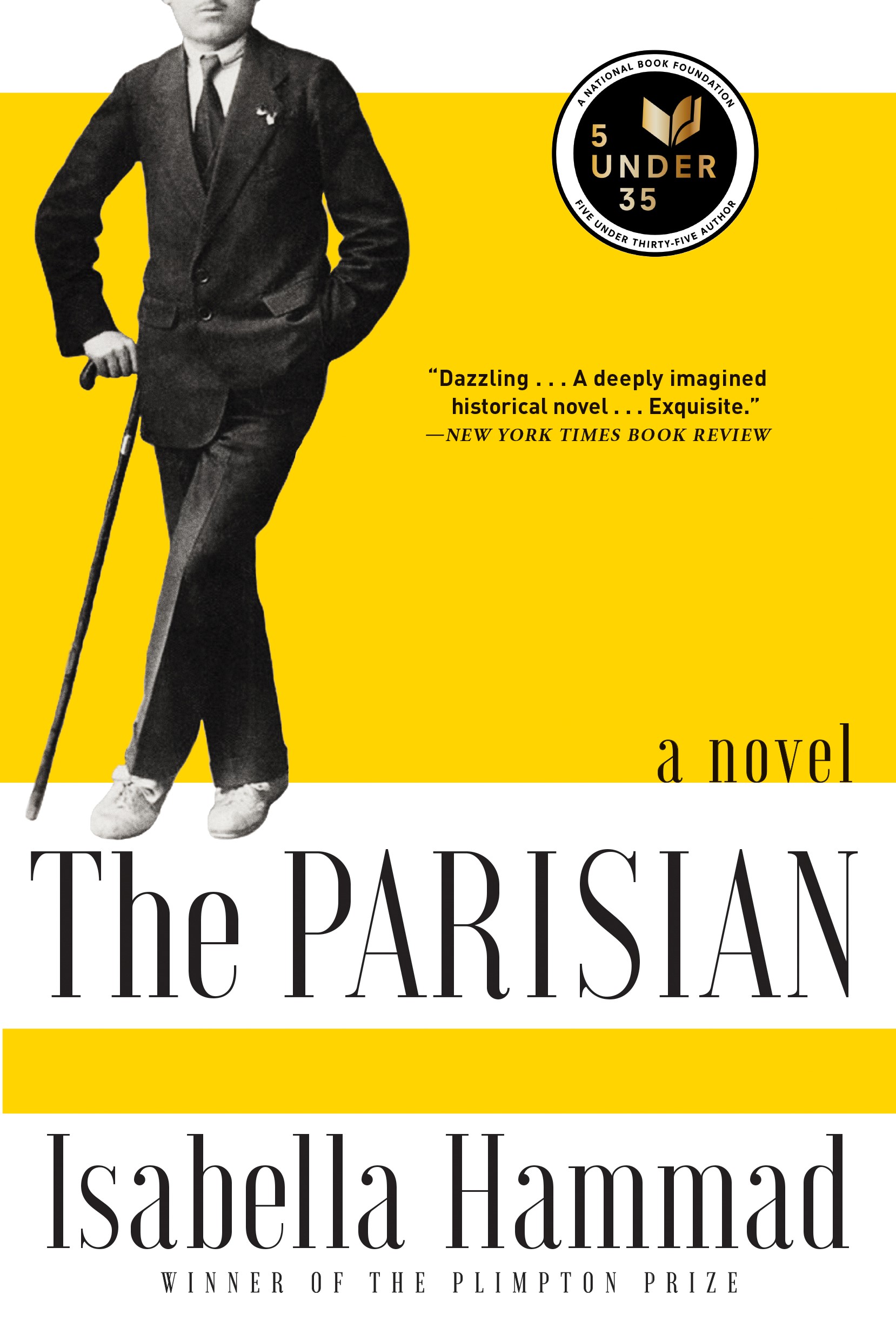
Emily Drumsta, assistant professor of Middle Eastern studies and author of Ways of Seeking: The Arabic Novel and the Poetics of Investigation, recommends The Parisian by Isabella Hammad
My favorite book that I read in 2025 was hands-down Isabella Hammad’s The Parisian. A work of historical fiction set during the British mandate era in Palestine (1917-1948), this chronicle of the life of Midhat Kamel, the son of a wealthy textile merchant from Nablus, introduces readers to the history of nationalism in and around Palestine better than nearly any work of straight-ahead history I know. Lost letters, star-crossed lovers, a mad priest in a Nablus asylum, and the negotiations of family, marriage, friendship, and other loyalties (ethnic, religious, nationalist) engage the reader from start to finish; you’ll barely feel its 595 pages as they pass. A highlight for this reader was a small, throwaway moment when the protagonist travels by train from Cairo direct to Nablus; if only such a journey were so easy today.
Brenda Boonabaana, assistant professor of geography and the environment featured in “People of the Park,” recommends The Routledge Handbook of Tourism and Indigenous Peoples, edited by R. Butler and A. Thompson-Carr
This book provides global perspectives on tourism and indigenous people. As one of the contributors (see chapter 12), I was motivated to engage deeply with the work of fellow authors, which made my experience highly rewarding. I love the book so much, and it made my year awesome!
I particularly enjoyed chapter 14, “Stewarding Māori Taonga for Sustainable Indigenous Tourism Enterprise,” by Ashley Puriri and Allison McIntosh. They nicely highlight the value of local community-based cultural and environmental stewardship that shape their sustainable business ethos. I quote: “Upholding the wisdom of their Kaumātua, the founders of Taiamai Tours strive to ensure they follow the advice of their elders to ‘Tiaki Te Taonga’ or, look after the rare and precious resources. This drives the enterprise’s commitment to both cultural, social and environmental sustainability, honoring intergenerational responsibility so that the world they live in will be kept the same way they inherited it from their ancestors.”
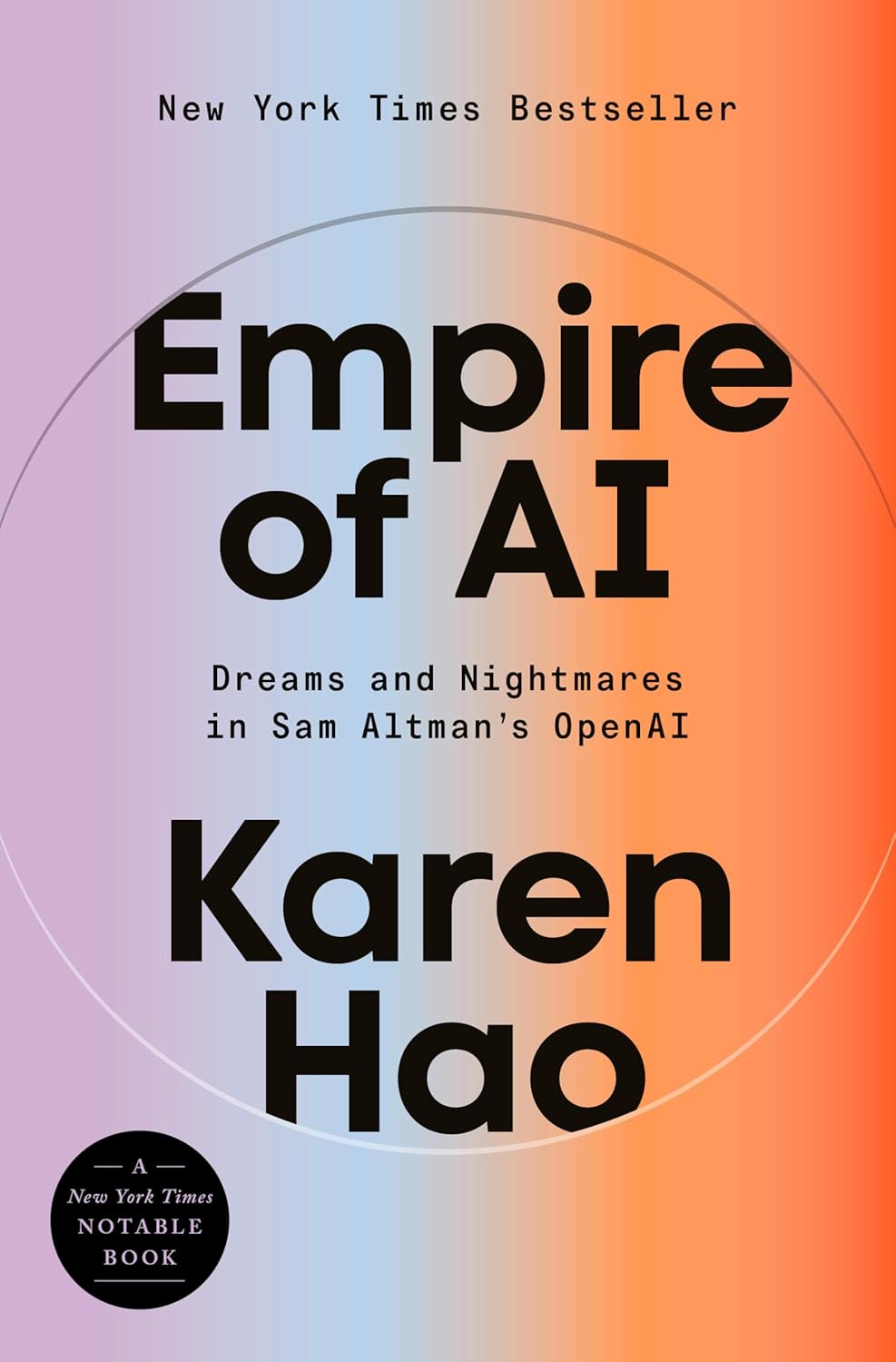
Desmond Ong, assistant professor of psychology, recommends Empire of AI: Dreams and Nightmares in Sam Altman’s OpenAI by Karen Hao
Hao’s book puts forward a history and analysis of the latest wave of Generative AI technology, specifically focusing on the explosive growth of OpenAI. It discusses the worldviews and ideologies held by some of today’s most influential technology leaders, with Generative AI being the fastest-growing commercially-consequential technology. But it also sheds light on some of the outcomes of such concentration of power using an analogy to empires of old, such as the extractive and exploitative transfer of resources (intellectual property; human labor; minerals, electricity, and water) from Global South countries — as well as creative professions like writers and artists — to Silicon Valley.