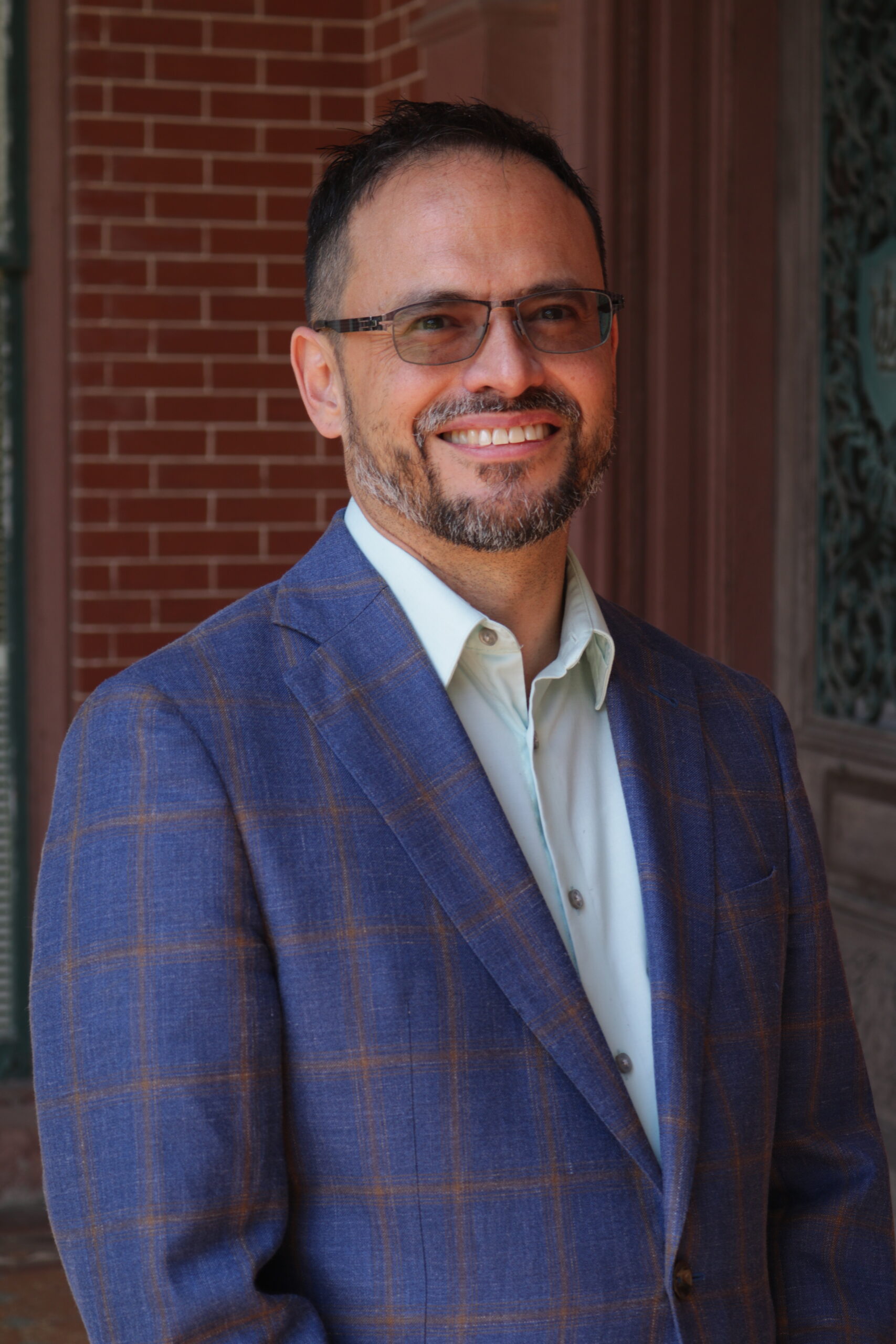
Michael Roy Hames-García, a professor of Mexican American and Latina/o studies at UT Austin, has never been content with pursuing strictly theoretical academic research. Throughout his career studying inequities in the criminal justice system, he has consistently asked how academic knowledge can move into the community and contribute to meaningful change.
“I have spent most of my career studying community responses to the criminal legal system, but mostly on the back end after an unfortunate or tragic incident has occurred, such as a crime, an arrest, or a shooting,” says Hames-García. “I wanted to explore what can be done before something negative happens.”
That question led him to intervention science, also known as prevention science, a research approach focused on identifying the conditions that can lead to harmful outcomes and developing ways to prevent them.
“Intervention science, or prevention science, studies risk factors for negative outcomes like violence, school expulsion, or involvement in the criminal legal system,” Hames-García explains. “Those of us doing this work are trying to identify effective ways to avoid those outcomes not just on an individual level, but systemically. How can we interrupt or intervene in the destructive trends that affect our communities?”
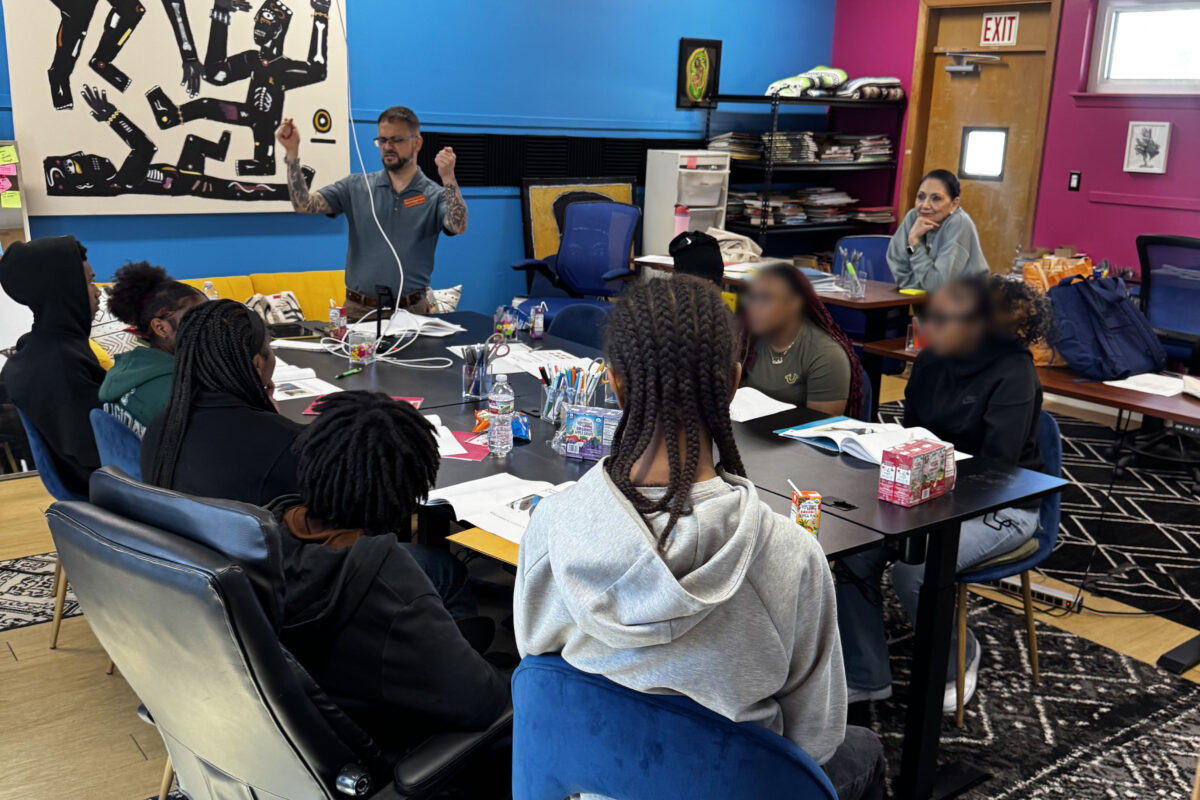
This approach is at the heart of the Austin Youth Safety Project (AYSP), a UT Austin-funded research study led by Hames-García and launched in early 2026. Developed in partnership with local nonprofits PODER and Tomorrow’s Promise Foundation, the project’s first phase concentrated on collaborations with 17 teens from Austin neighborhoods with some of the city’s highest incarceration rates. Hames-García’s team hopes the project will offer new insight into whether art-based, youth-centered approaches can help prevent violence before it occurs.

Over the course of eight work sessions in the spring 2026 semester, the participating teens used photography and storytelling to identify the people, places, and activities that help them feel secure. Their responses revealed broad patterns. Many found safety in sports, family members, pets, and opportunities to leave Austin to spend time in nature. Others pointed to physical protections such as crosswalks, locks, gates, and fences.
Through original photo essays responding to the prompt “What makes you feel safe?”, the participants documented their own visions of safety. Fifteen-year-old participant Jaliyah Scott responded to the prompt with a photo of first base at the softball field where she plays on a local team. “I was getting ready to catch the ball and decided to take a picture,” Scott says. “I would say some people go to the field for peace…softball has always been an outlet for me.” She titled the photograph “First Base is My Happy Place.”
“It really felt pretty big. I felt respected and I felt seen,” Scott says about her part in AYSP. “Being a part of this program really made me feel like I mean something, and that my safety matters.”
Phase one of the project culminated on May 2, 2026, with a public photo exhibition at La Peña Gallery in downtown Austin, where the teens’ photographs and reflections presented a youth-centered vision of safety, belonging, and community support. The project will continue during the 2026–2027 academic year, with the next phase focused on analyzing the photographs, stories, focus group transcripts, and survey data collected from participants. The research team will then use that youth-centered data to develop possible policy recommendations.
“We’ll analyze all of the data collectively with the youth who continue and work with them to elaborate public policy proposals to support the things they have identified as keeping them safe,” Hames-García says.
Those policy proposals, which Hames-García plans to present to local and county agencies this fall, could range from supporting extracurricular sports to creating more opportunities for camping, visiting the beach, or spending time in nature. If the survey data suggests that the art-based intervention helped youth feel more empowered, Hames-García hopes to expand the program so more young people can participate and find their voice.
“I wanted to try to make an impact locally, in Austin,” he says. “I think this is especially important given the meaningful role a major research university like UT Austin can play in serving and strengthening the communities around it.”