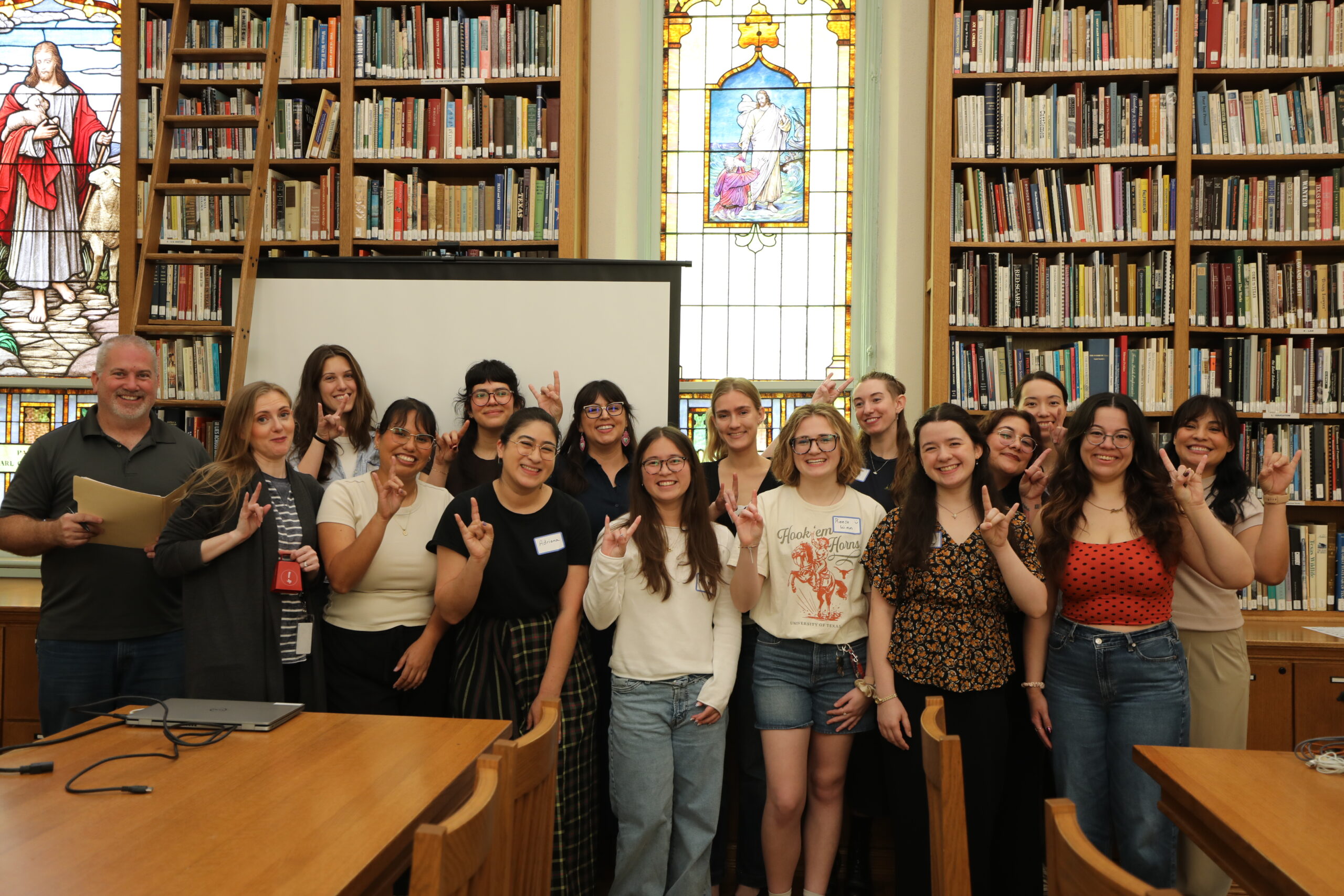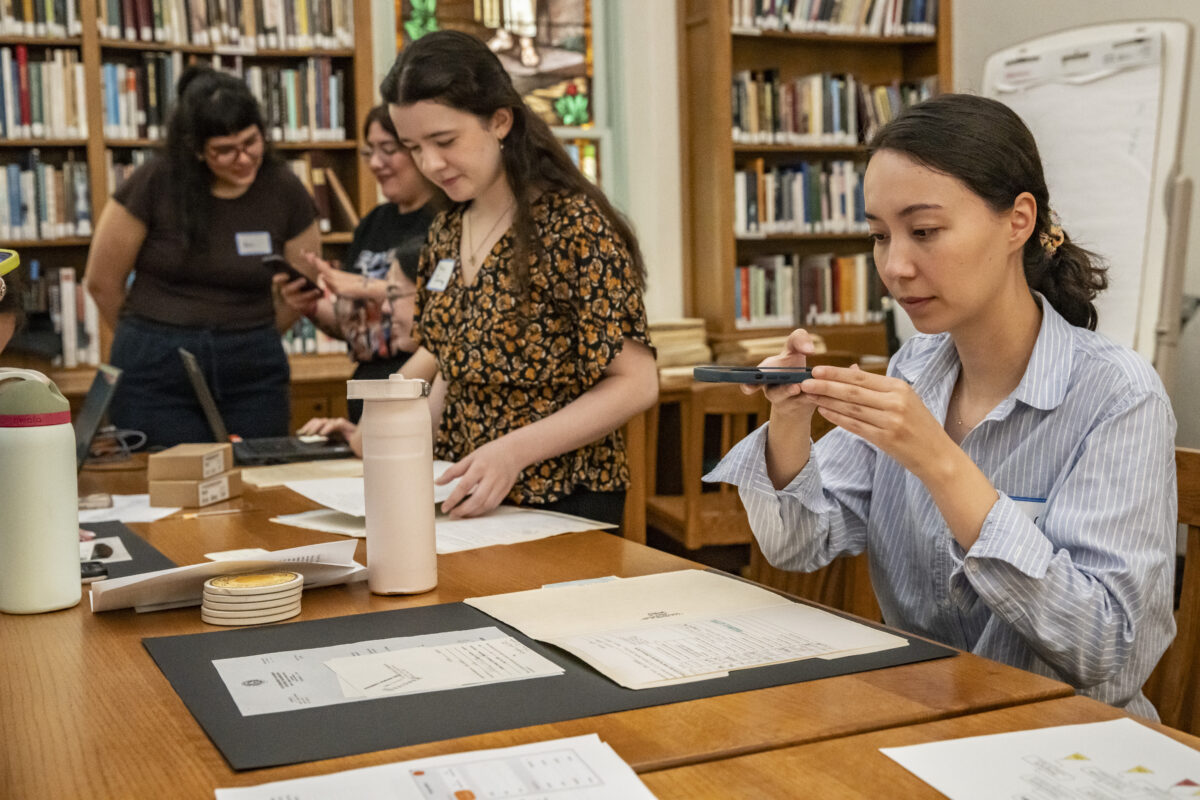
The Texas Historical Commission (THC) holds roughly 14,000 vertical files tied to the state’s historical markers, and almost none of them exist anywhere but on paper. On a spring day in April, undergraduate and graduate students working with UT Austin history professor Monica Muñoz Martinez filled the long desks of the THC’s library and offices, housed in Gethsemane Church on Congress Avenue in Austin, with the intention to digitize decades of THC archival material.
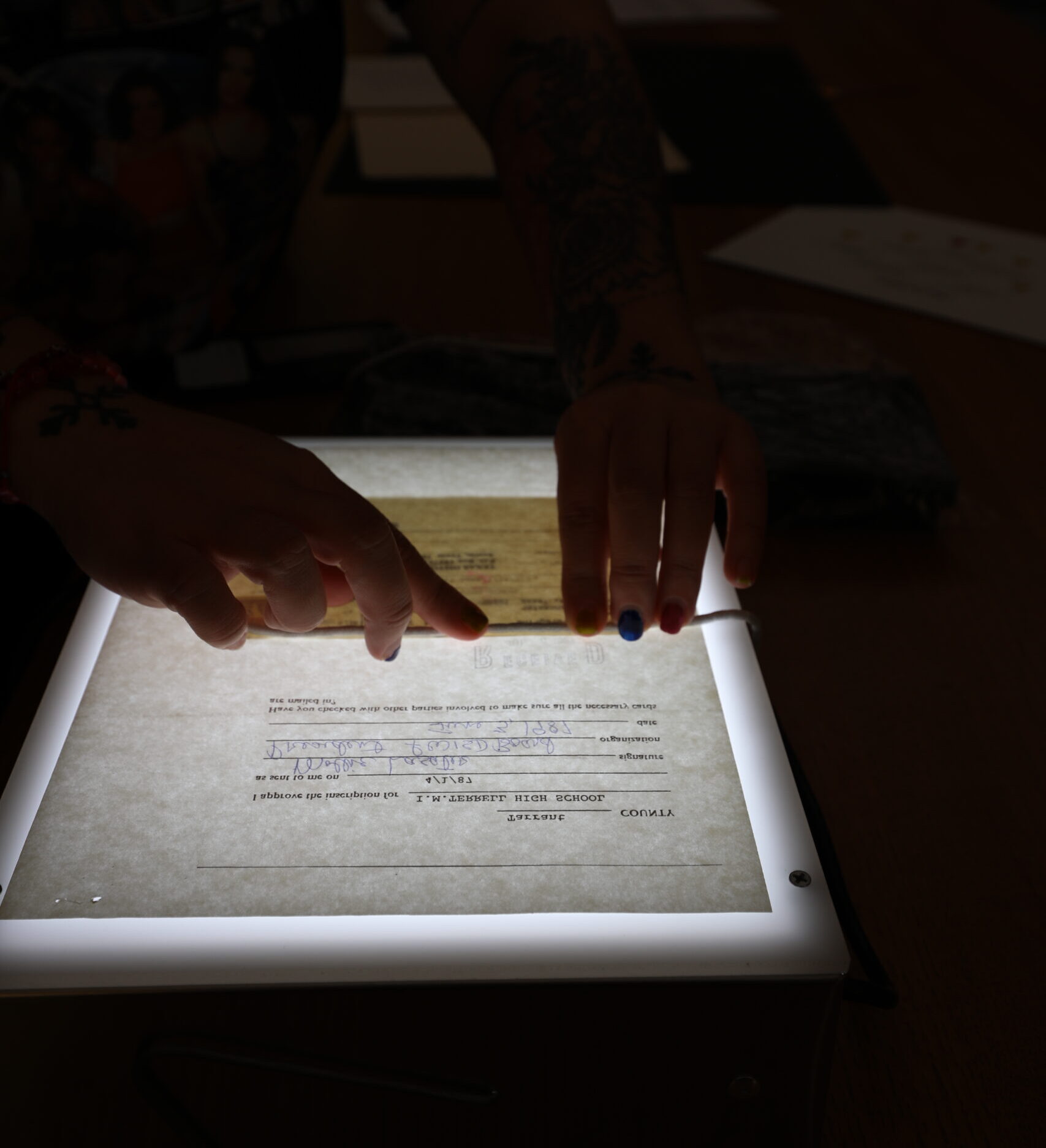
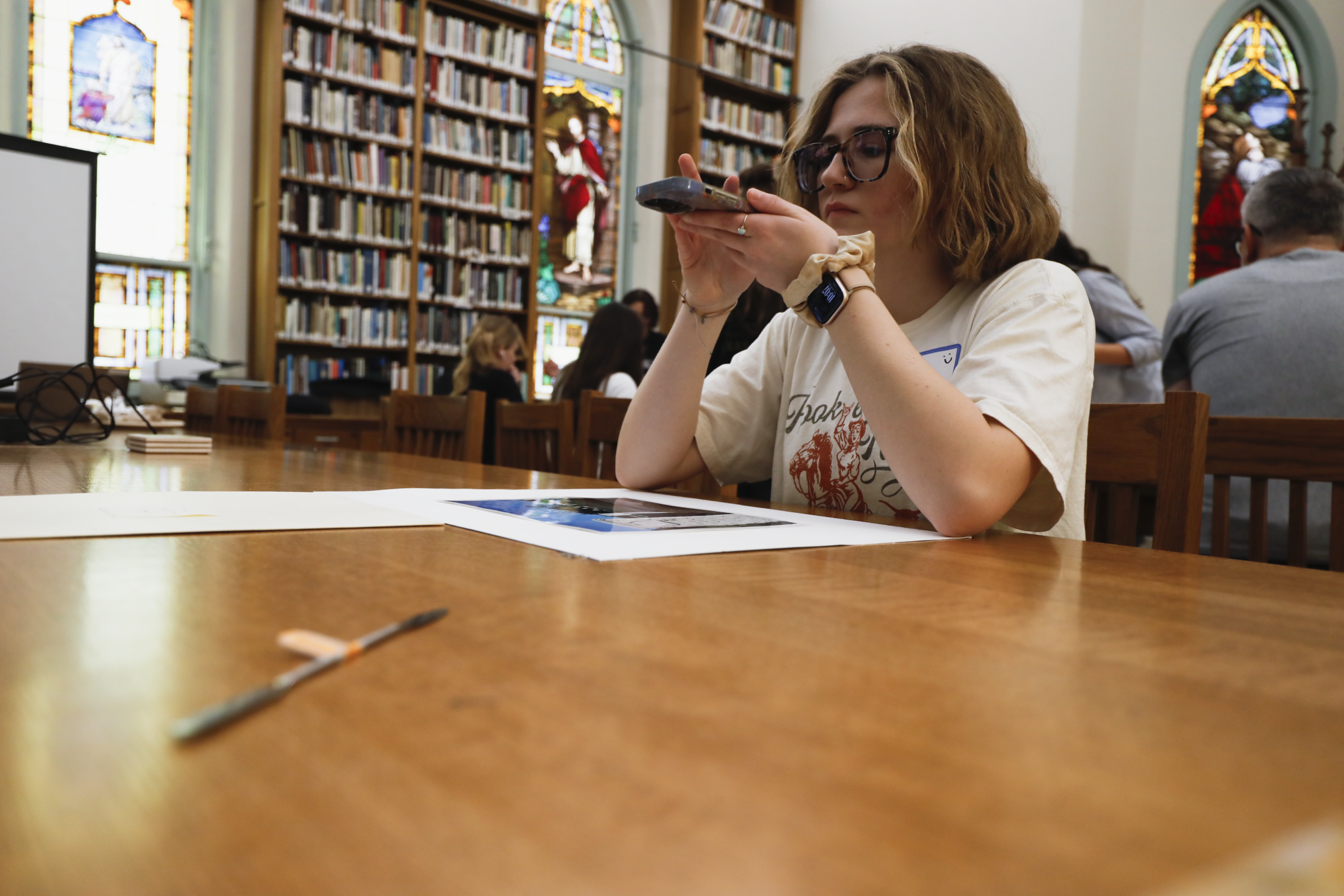
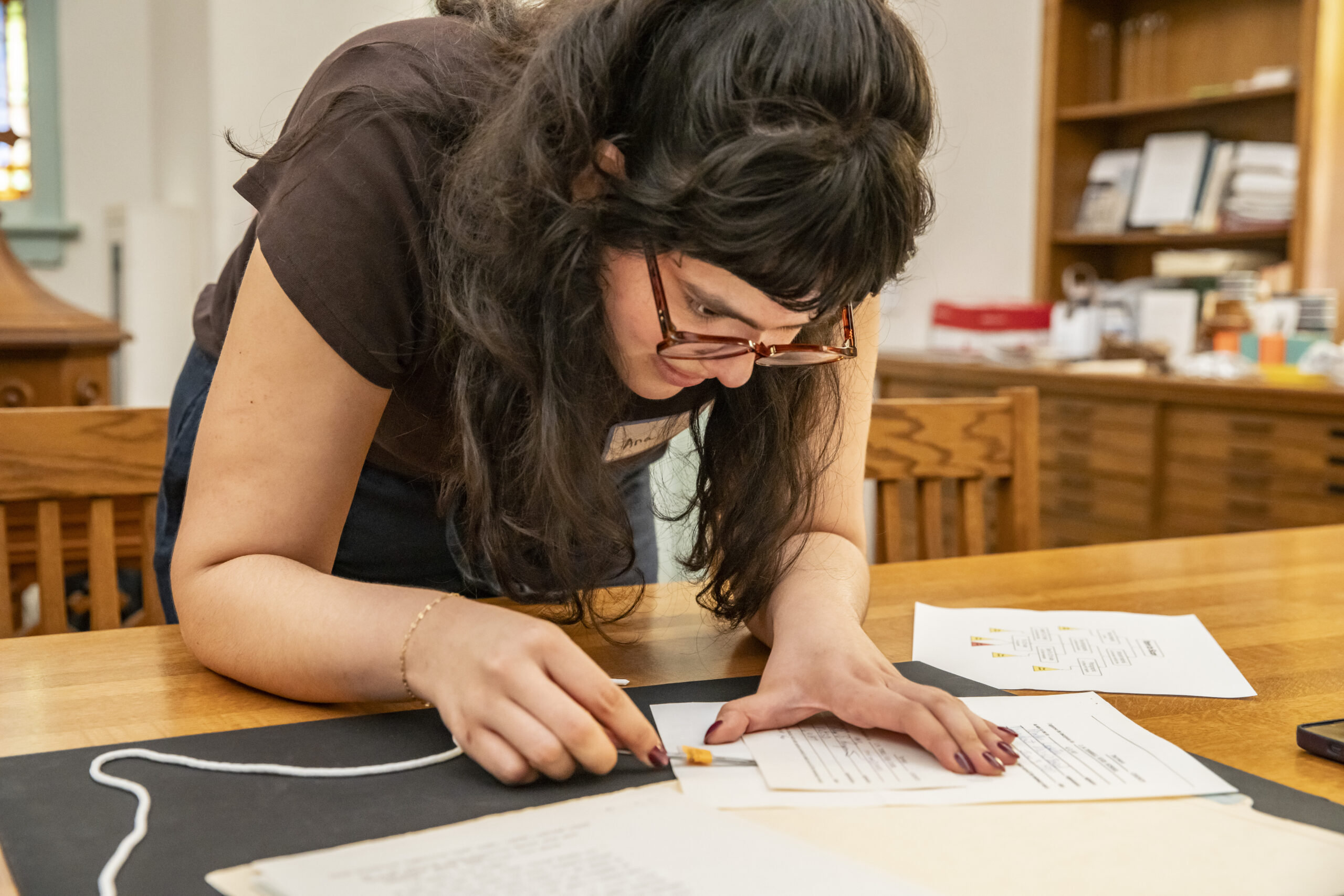
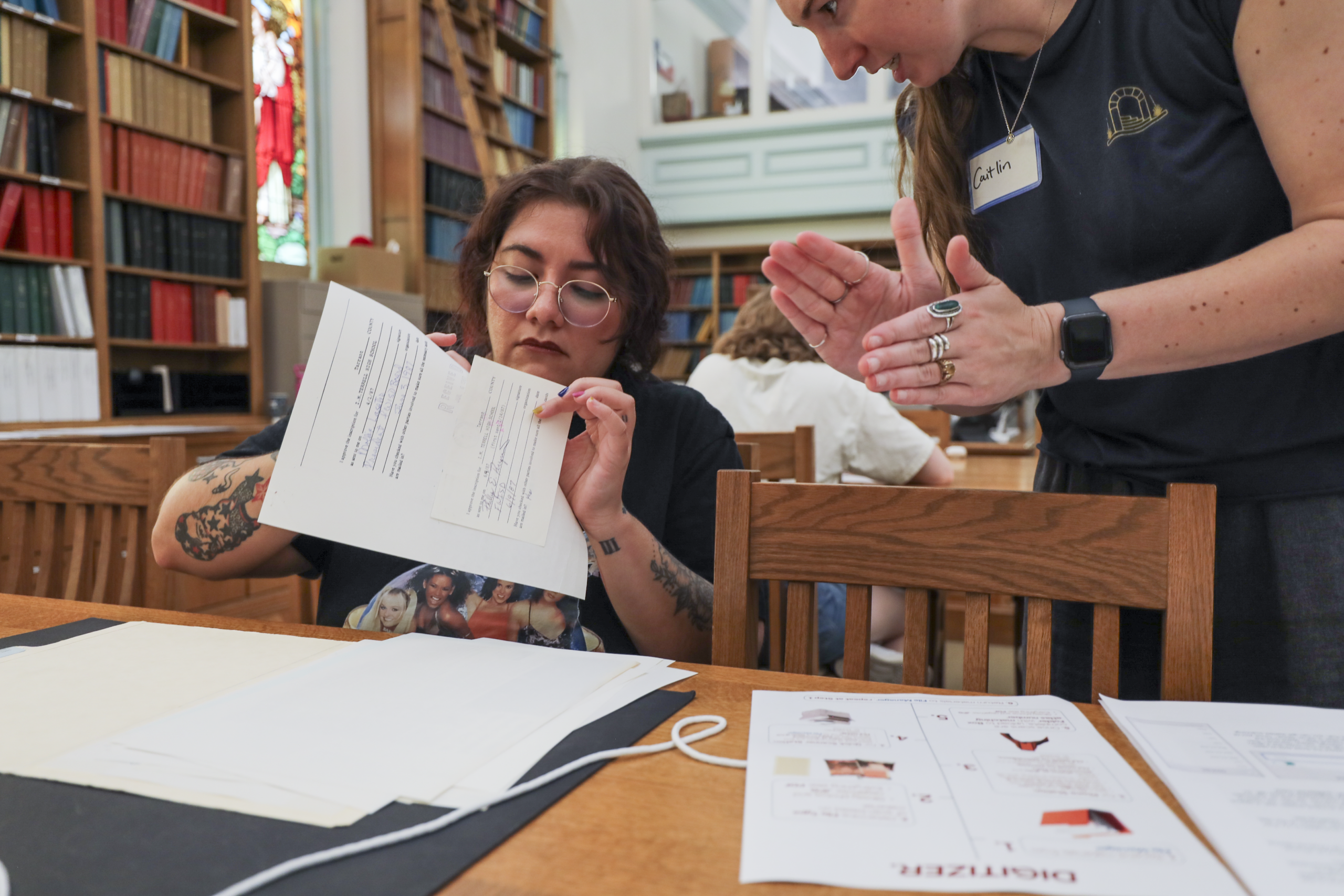
It was careful and meticulous work, but it was also joyful. Students scanned photographs and documents into JPGs, taking pains not to damage fragile originals, and photographed the front and back of each item, bringing extra attention to marginal notes that often carry as much history as the documents themselves.
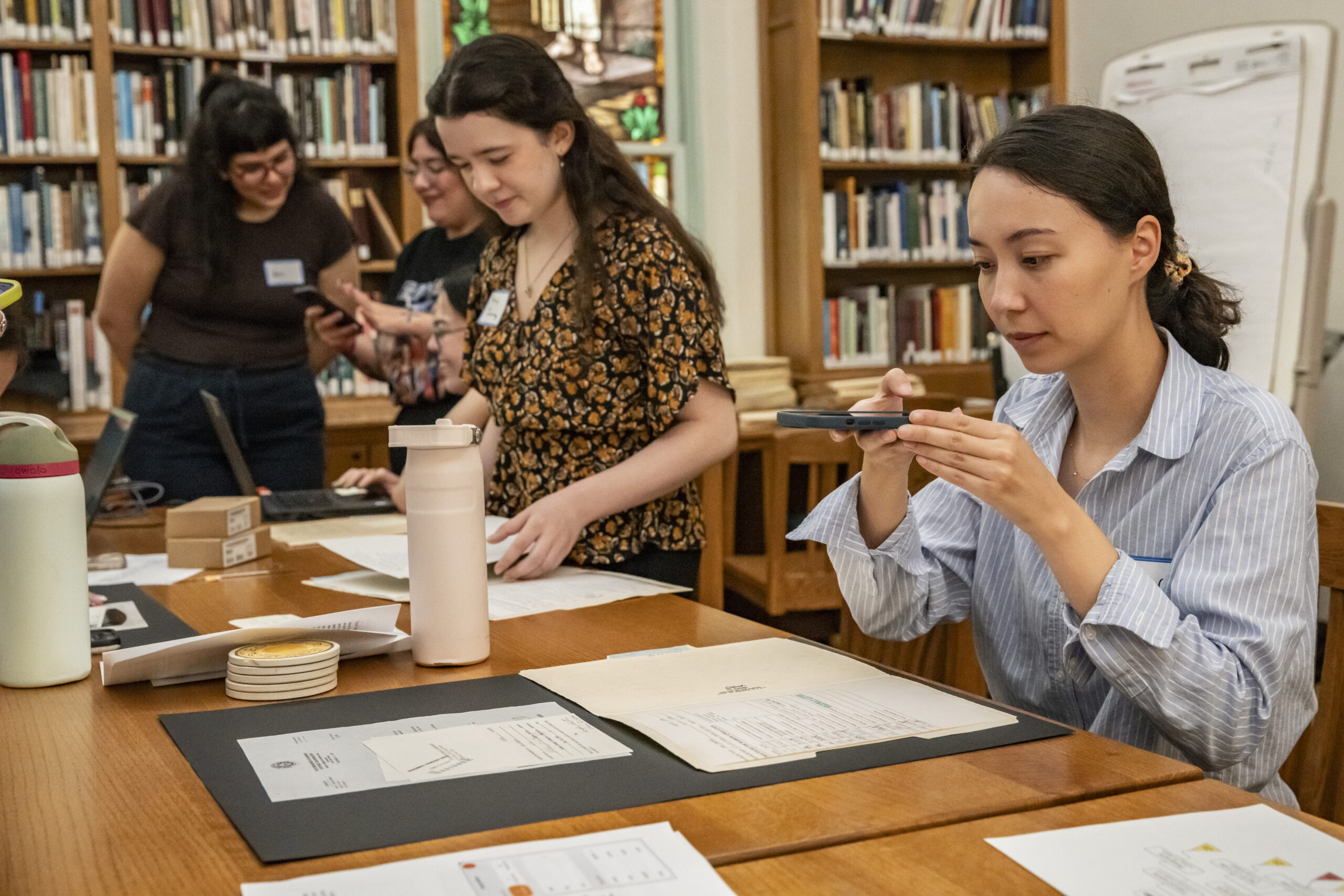
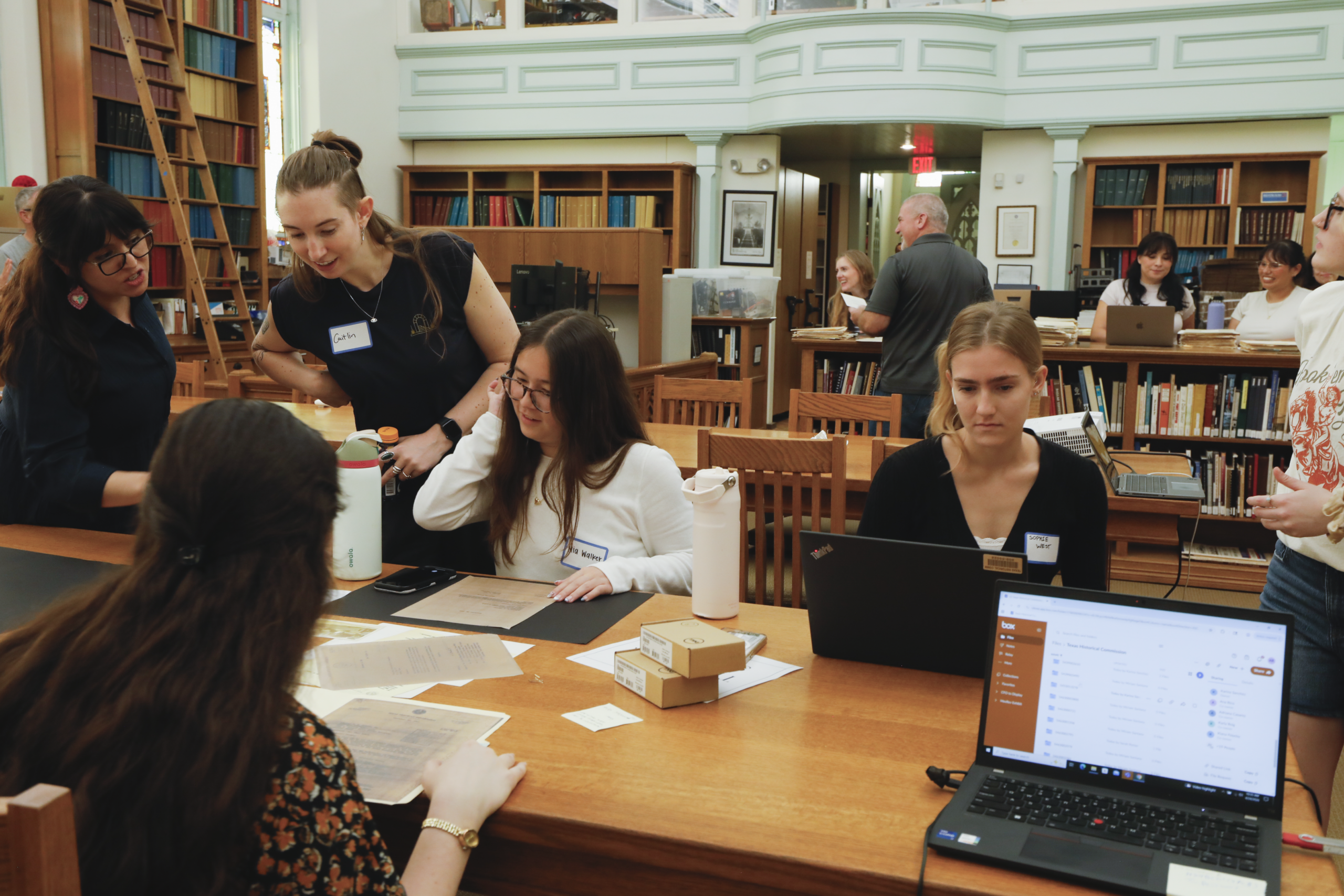
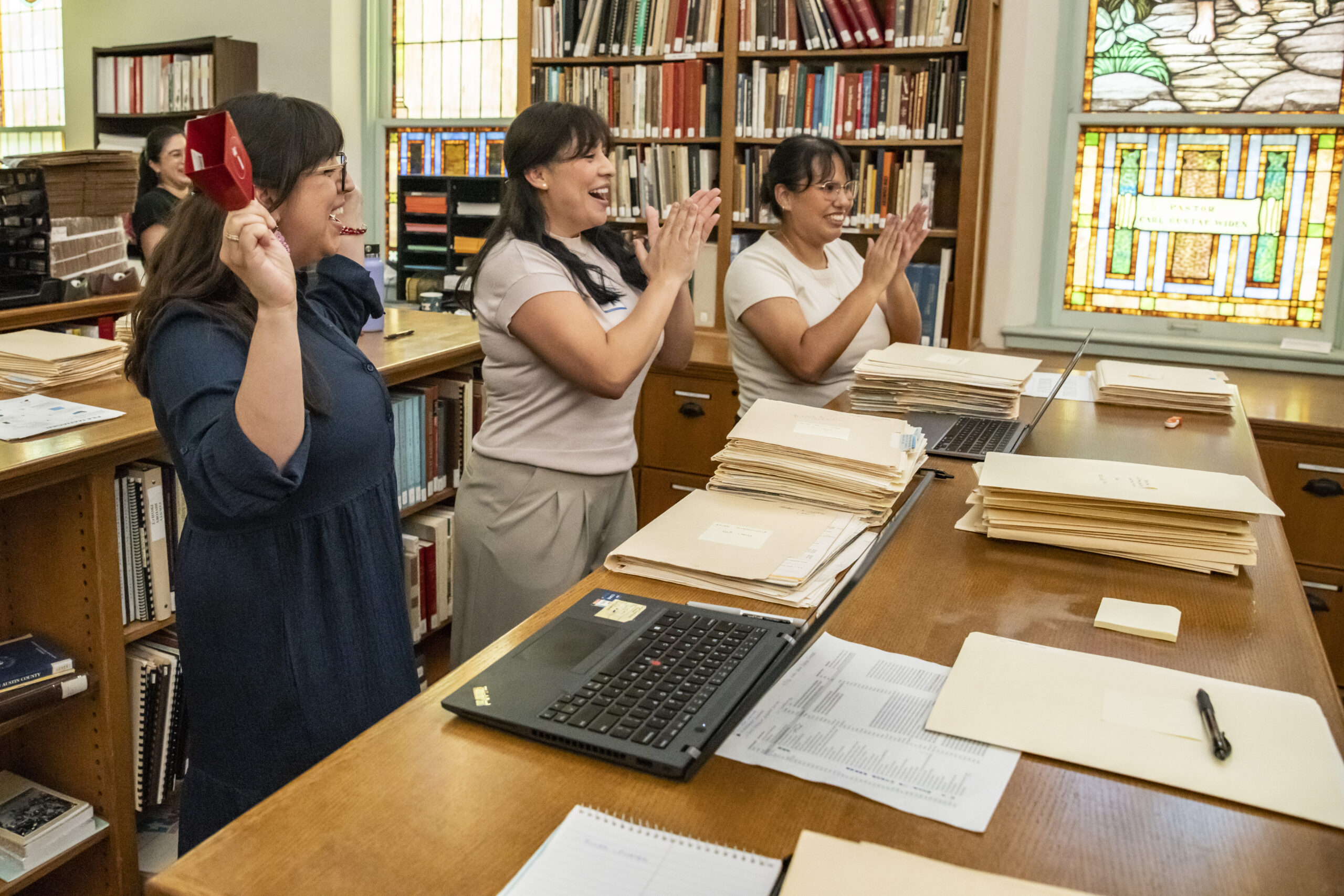
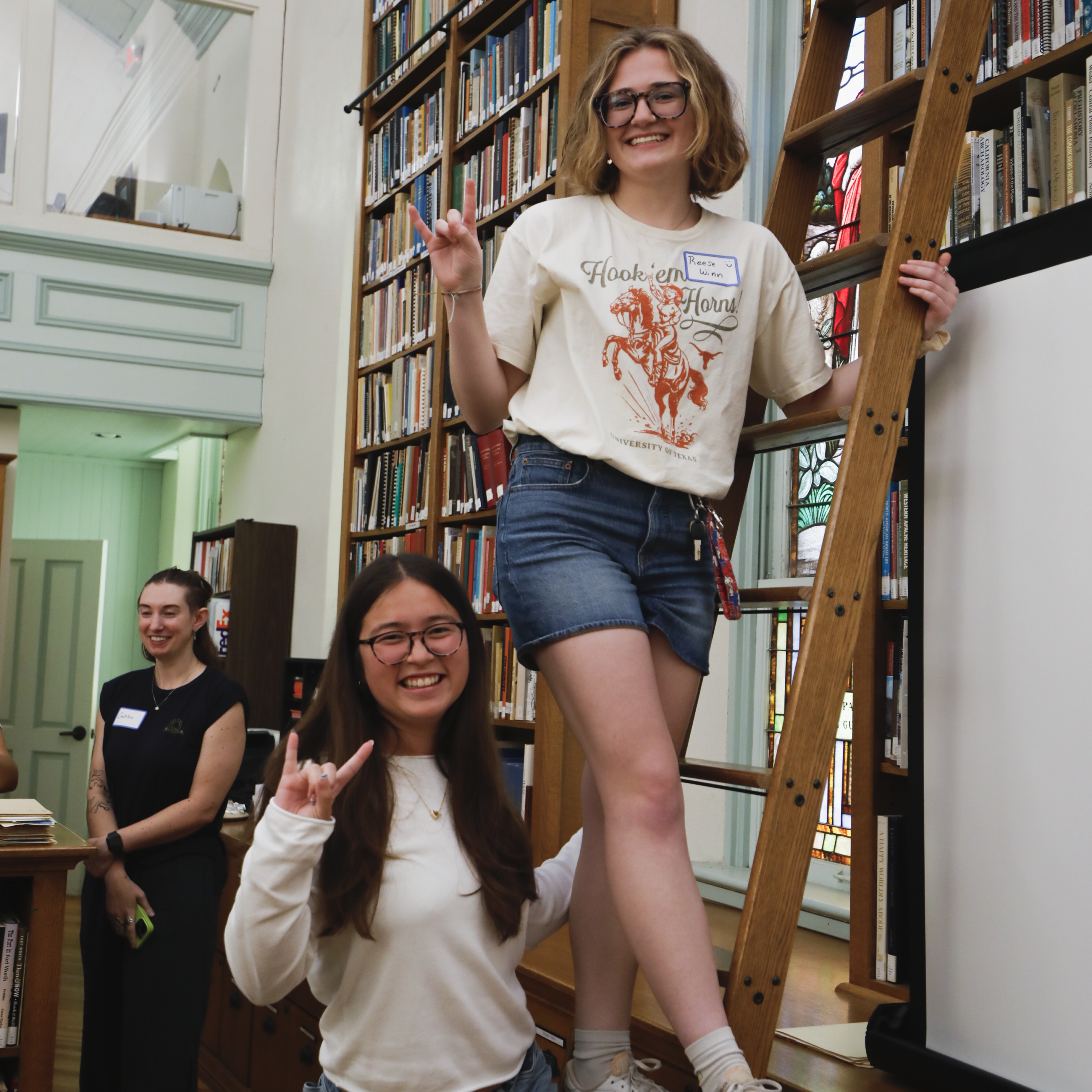
Digitizing those records was a pressing desideratum: Until now, anyone who wanted to see them was dependent on an in-person visit or on THC staff scanning requests one by one. The students worked diligently toward that larger goal with unmistakable delight. They chatted between scans, assisted each other with tricky software, and snapped photos of each other climbing a ladder to reach files stacked high on a bookshelf. Each time a new marker entered the digital record database, Martinez or THC staff would gleefully ring a cowbell. So, not your typical day in the archives.
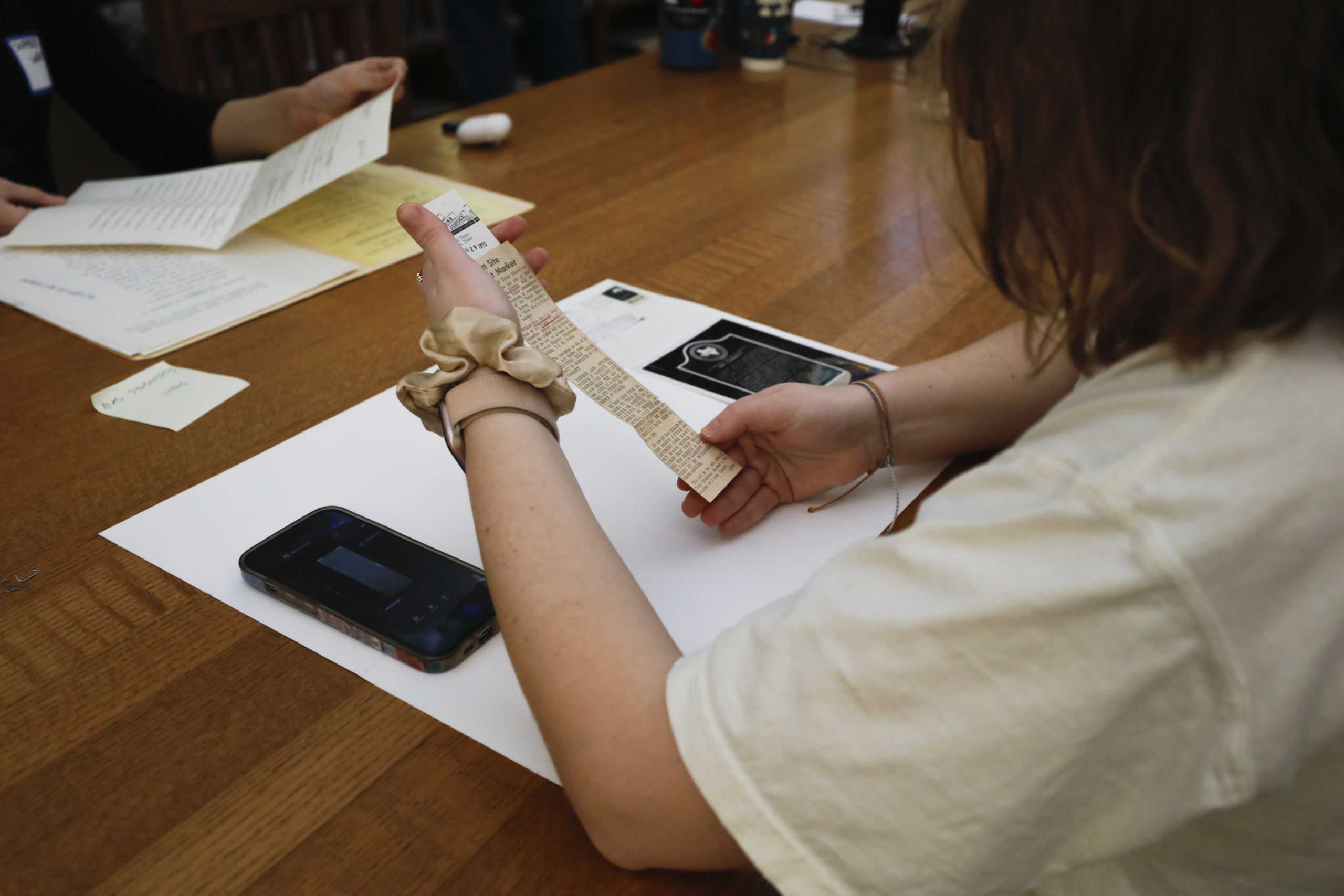
Among the students were Reese Winn and Mia Walker, two senior undergraduates studying history and working with Martinez through the College of Liberal Arts’ Undergraduate Research Apprenticeship Program (URAP). Both student-researchers are interested in curation and historical preservation, making this research project of particular interest. Walker began the work in fall 2025, spending two semesters with the same team before this culminating sprint. “I really benefited from the two semesters because I got to stay with my same team members and all of our broad interests really came together,” she said. In the fall, the team focused on data, categorizing records by county and code. And by spring, that groundwork opened into interpretation: Examining how different ethnic groups were represented across the marker record and recognizing the process by which stories are preserved in Texas public history.
What the students digitized was not only physical records but also the process by which a marker comes to exist. Buried in the files they scanned were the internal conversations THC staff had while weighing a marker’s designation, including debates over cemetery markers or how to tell stories long left out of the official record. Those conversations and others like them shape the language eventually cast in bronze or cut into stone.
Texas historical markers themselves are found in all 254 counties, commemorating the architecture of houses and public buildings, religious congregations and military sites, formative local and state events, and the individuals who shaped their communities. Depending on the topic, a site may qualify for a subject marker, a Historic Texas Cemetery marker, or a Recorded Texas Historic Landmark marker, each governed by its own standards of age, significance, and architectural merit.
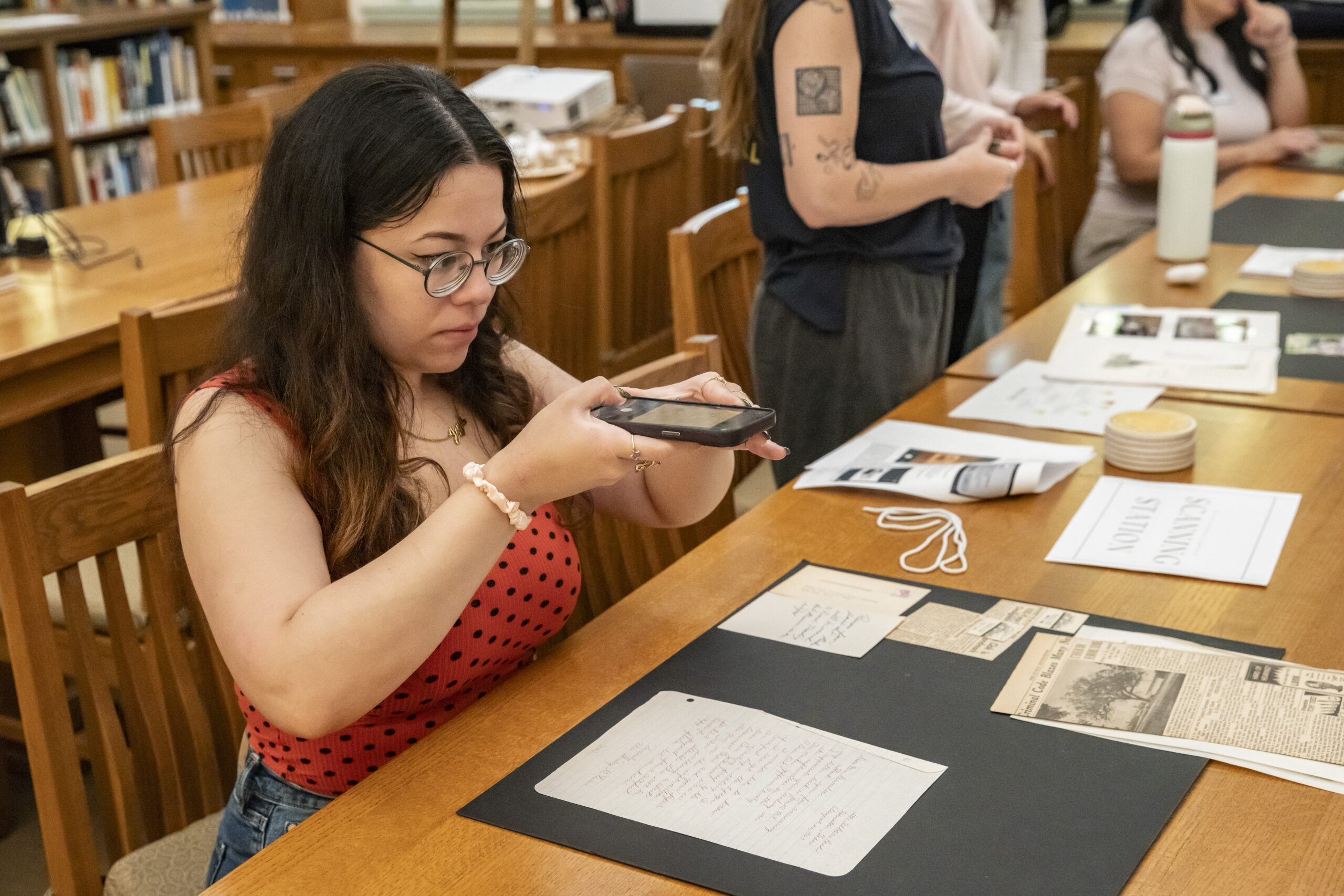
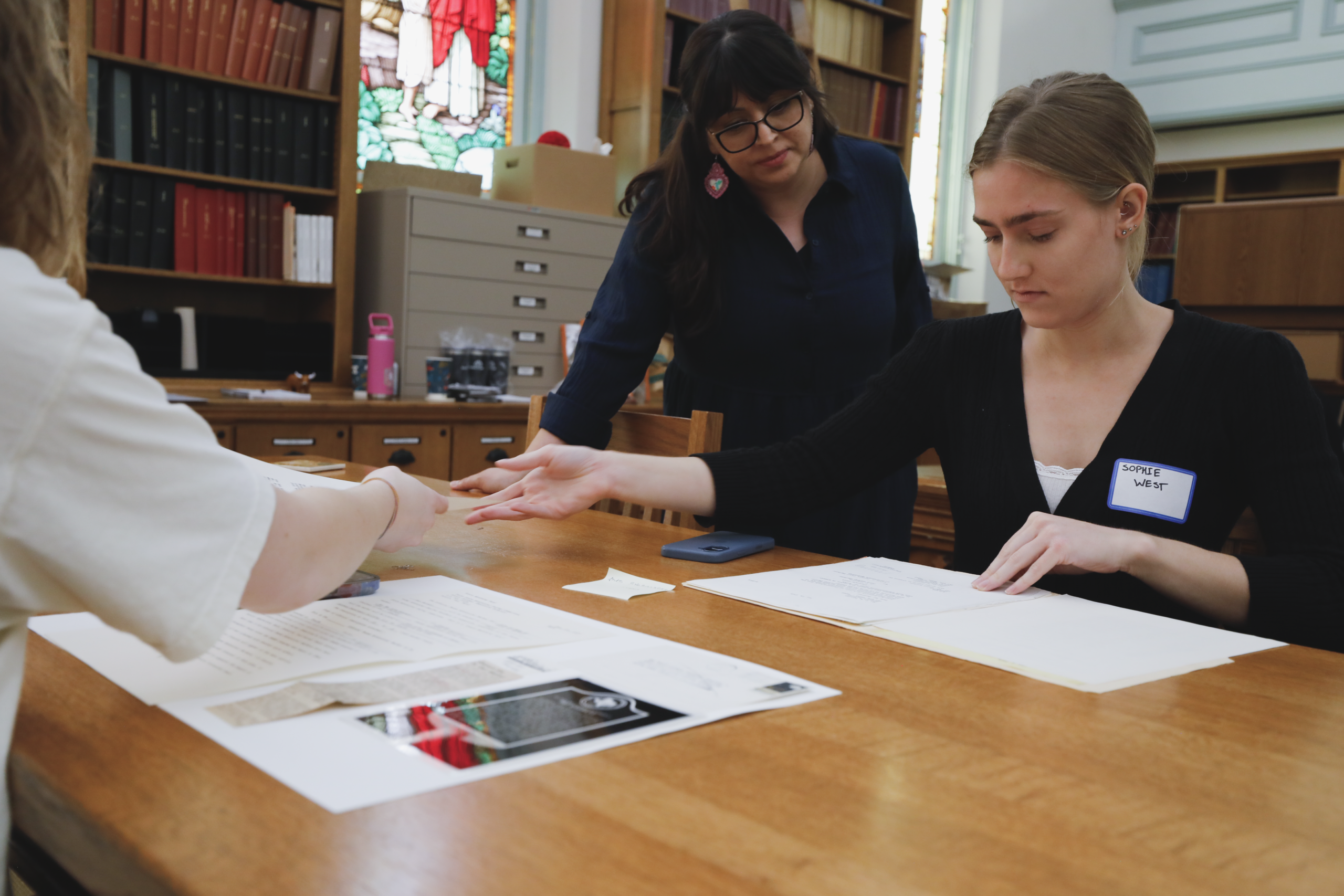
The hackathon was framed as a pilot: a test of what a coordinated, team-based approach to mass digitization could accomplish in a single day, and what future collaboration between a public university and a public agency might look like. It brought together UT students, faculty, and librarians alongside THC staff, with librarians offering training in archival handling, digitization methods, and data management. Altogether, the team scanned 2,303 individual files to bring a little bit more of Texas history into the digital age.