
The college years are a pivotal time for young adults. It’s when lifelong friendships are formed, career trajectories are charted, and professional connections are made. It’s also, says Michael Sierra-Arévalo, a time when long-term risky behaviors, such as drug and alcohol abuse and problem gambling, can form. But while the threat posed by drugs and alcohol are well known, a new era of online sports betting poses a less understood threat to students’ long-term well-being.
Since the U.S. Supreme Court struck down a federal ban on sports betting in 2018, Sierra-Arévalo, an associate professor of sociology at UT Austin, has watched the activity explode across the U.S. The legalization of sports betting in many states, along with apps that make it easier than ever to gamble anytime and anywhere, has created an unprecedented situation — what Sierra-Arévalo describes as a “structural shock” — that may take years to fully show its impacts.
“We know very well that gambling has all kinds of negative consequences for substance abuse, for defaulting on mortgages, and for domestic violence,” he says, citing previous research. And he sees no indication that betting on the outcome of a football game is somehow safer than gambling in general.
“What we’re looking at, in my professional opinion, is that we are at the beginning of what will become a public health crisis,” he continues, “and it’s now that we have to be thinking about putting resources in place to interrupt this process and help students before they get in over their heads.”
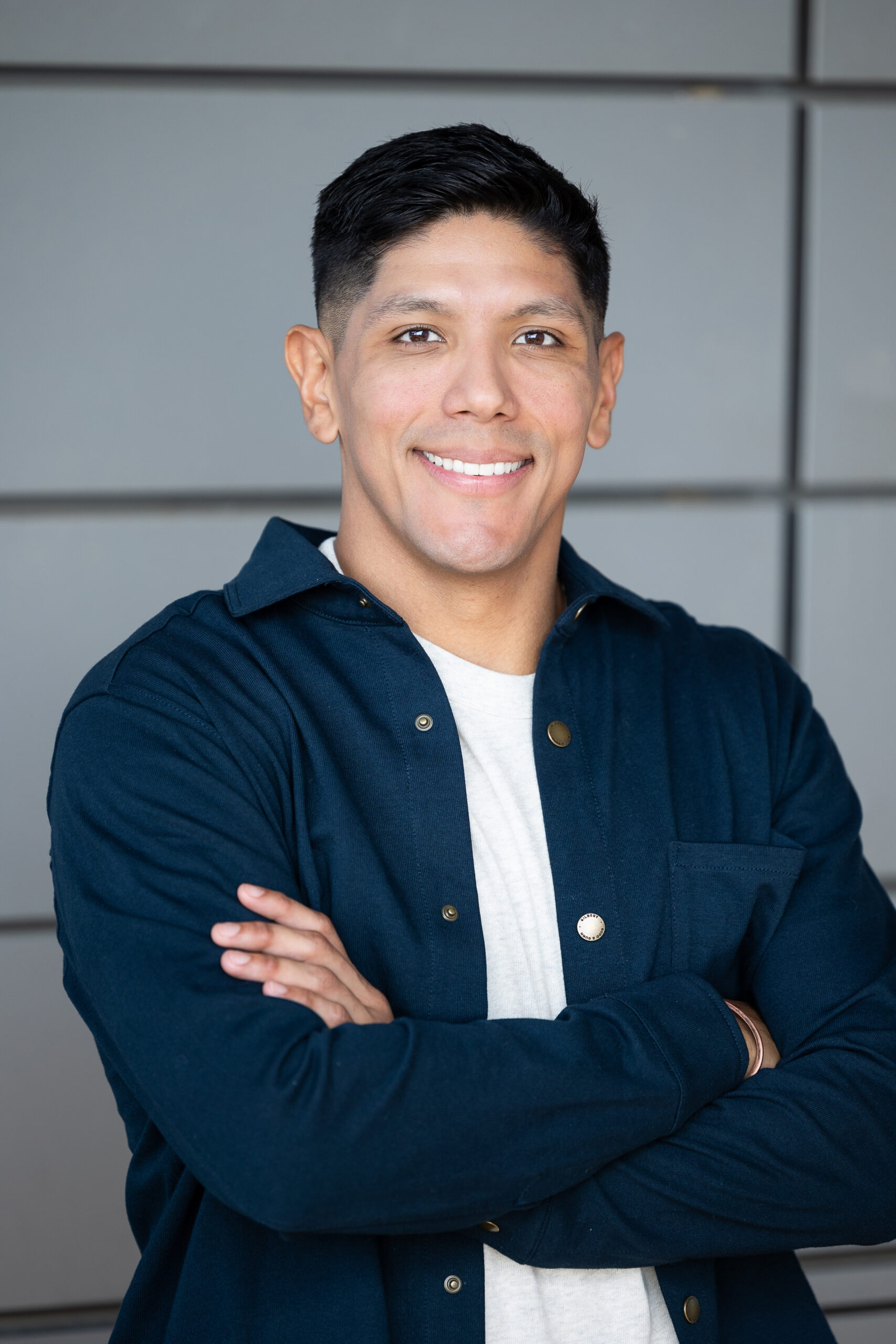
With this goal in mind, Sierra-Arévalo has embarked on an ambitious research project to better understand how and why students engage in sports betting and how it affects their lives. His hope is that knowing more about students’ gambling behaviors and the motivations behind them will help researchers develop more effective tools to prevent students’ gambling from spinning out of control.
The recently launched project, the American College Evaluation of Sports Betting (ACES), just completed its first phase: a national online survey of college students with over 2,000 respondents. The survey assessed how often students engaged in online sports betting along with other details, such as the average size of their bets and the betting platforms used. Participants also completed a five-item questionnaire designed to assess subjects’ risk of having clinically diagnosable gambling disorder. The initial findings are still in the process of being analyzed, but Sierra-Arévalo says, “Our results indicate that sports betting and behaviors associated with problem gambling are far from rare among U.S. college students.”
ACES’s next step will be to gather long-term data on UT students specifically through a variety of methods, including surveys, interviews, and focus groups. With its large population and enthusiastic sports culture, Sierra-Arévalo sees UT as an ideal place to examine this kind of gambling.
While sports betting remains illegal in Texas, at least for now, Sierra-Arévalo notes that students are adept at finding ways to circumvent such laws. “You have to have your head real far in the sand to think that students at this university are not actively engaging in sports betting in a variety of different ways,” he says.
Studying gambling behavior is a pivot for the sociologist, whose previous research focused on how police officers perceive risk, specifically their risk of being injured or killed during interactions with the public, and how those perceptions shape their behavior. He sees risk as the thread connecting that earlier work and his research with ACES. “What got me interested is shifting from thinking about a culture of risk to risk in pop culture,” he says.
Young men are by far the most likely demographic to participate in sports betting, and Sierra-Arévalo suggests this may be driven in part by social pressure to prove one’s masculinity. Just as physical risks like binge drinking and fist fights often occur in group settings, the financial risk of placing online bets can be another way for young men to signal fearlessness to their peers.
“The more things change, the more they stay the same,” he says, but “the speed at which this has become ubiquitous is concerning.”
One accelerant in the rise of online sports betting is the introduction of prediction market apps like Kalshi and Polymarket. These platforms allow users to bet on the outcomes of a wide variety of events that can include anything from who will win the Oscar for best supporting actor to what words will be uttered in a presidential debate. Such apps are largely excluded from state bans on sports betting because they are considered financial exchanges rather than gambling sites, but the vast majority of bets placed on these sites concern the outcomes of sporting events.
Prediction markets may also serve as an introduction to sports betting for women. While women are statistically less likely to gamble on sports, platforms are hoping they will be drawn in by targeted ads encouraging wagers on more female-coded betting opportunities, like outcomes on the popular reality show Love Island. How one kind of bet leads to the other is one of many nuances of gambling behavior that Sierra-Arévalo hopes to further explore as ACES moves forward.
Sierra-Arévalo has himself signed up for a few of these apps, not to bet, but to get a better look at their marketing. He describes these campaigns with a mixture of awe and horror. “I saw an ad and it knocked me out of my seat,” he says. “It tells users, ‘You’re the expert.’ It’s a powerful way to frame the whole endeavor: That you have valuable knowledge and you should use that knowledge, so put in your credit card and place a bet.”
Sierra-Arévalo ties this clever ad pitch to the declining trust in true expertise in our current media environment. If one accepts that economists and statisticians don’t know what they’re talking about, then maybe it is you, the lifelong sports fan, who has genuine insight.
As dire as all this may sound, Sierra-Arévalo doesn’t believe that expanding and more rigorously enforcing gambling bans is the answer. He likens sports betting to other risky behaviors common on college campuses, like heavy drinking. “Prohibition doesn’t work. I’m much more interested in providing resources to help students,” he says.
That is the ultimate goal of ACES: to find the best ways to provide support and guidance to students who may find themselves struggling with gambling before things get out of hand.
“What I would love is for UT to be a leader — if not the leader — in this conversation, to have world class researchers studying a topic of incredible salience not only to the residents of Texas but to the whole country,” he says. “This could be the place to study and understand this problem and to lead in how to address it.”