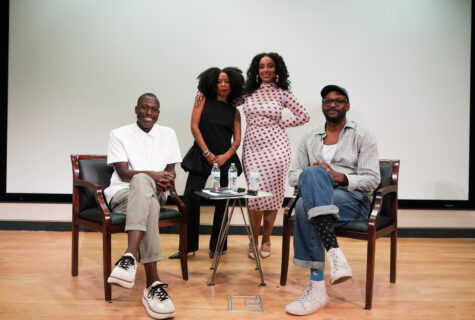
RaMell Ross on the importance of aesthetics
Research
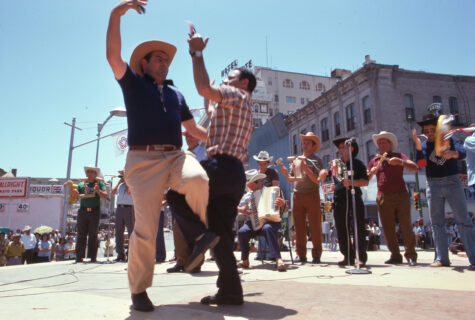
Italians in Texas
A research project with COLA’s Undergraduate Research Apprenticeship Program explores an often overlooked history
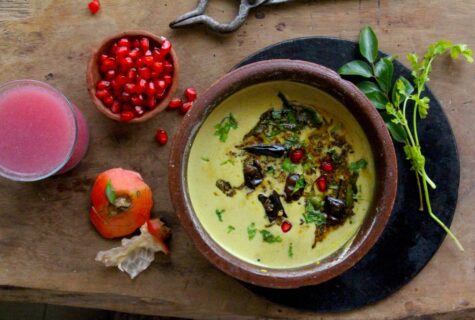
Tasting India Through Historical Texts
Andrea Gutiérrez explores Indian culture through premodern recipes
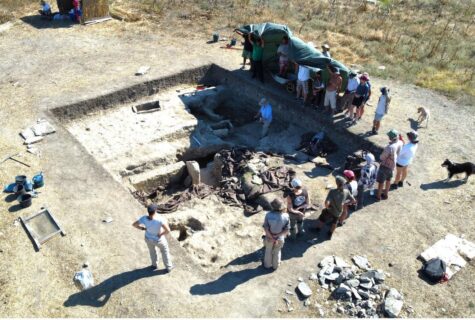
Digging Into the Past to Prepare for the Future
A team of UT Austin researchers look for climate solutions in the deep past

Hustling Today to Rest Tomorrow
Kathleen Griesbach explores the myths and narratives of unstable work
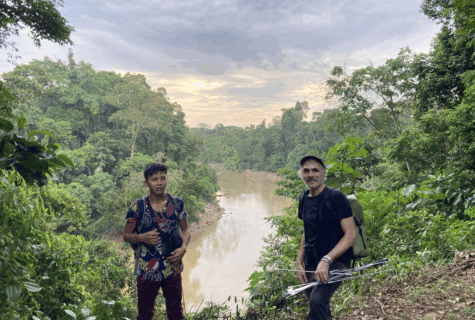
Primates and Parasites in Amazonian Ecuador
Anthony Di Fiore embarks on a new area of research: identifying the parasites infecting primates in the Amazon

Reverse the Curse
Political scientist Delgerjargal Uvsh explores how resource-rich countries can turn crisis into change

New Code for the Same Old Dreams
Iván Chaar López decodes border technology’s past and future
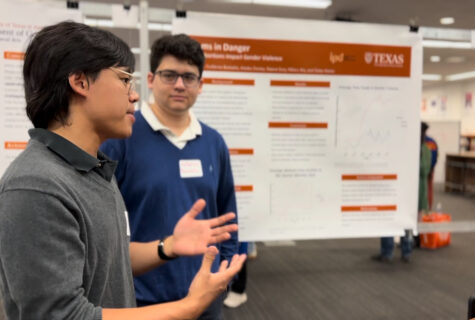
In COLA, A New Student Research Landscape Takes Shape
COLA’s research opportunities are rapidly reshaping how undergraduates engage with scholarly work

Who’s Counting?
Anat Schechtman on non-quantitative notions of infinity

Modeling Disability Justice, One Relative Unit of Forward Movement at a Time
Alison Kafer and Julie Minich are using their institutional platform — along with a financial boost from the Andrew W. Mellon Foundation — to make waves in the field of disability studies
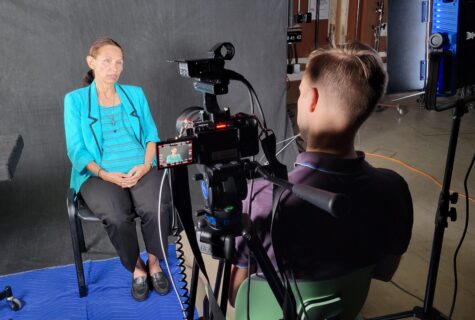
Maggie Rivas-Rodriguez Has Some Questions For You
An experienced journalist turned university professor, Rivas-Rodriguez is leading CMAS through its largest oral history project yet
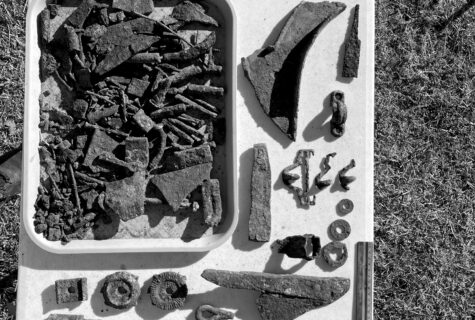
Tom Cook’s Legacy
UT anthropologist Maria Franklin spotlights Black history in Bolivar, Texas

The Re-Enfranchised, in Theory and Practice
Political scientist Hannah Walker explores how to bring the formerly incarcerated back into political participation.
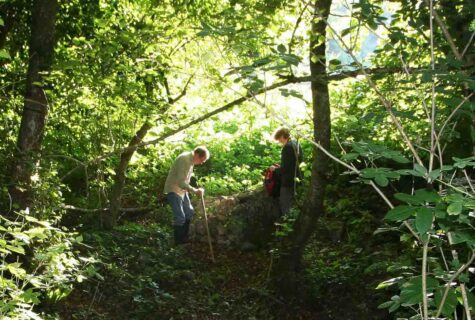
Ask An Aqueduct
You’ve seen them on TV and in movies, in History Channel specials and textbooks on antiquity, maybe even on a tour of the Italian countryside. But to archaeologist Rabun Taylor, there’s more to aqueducts than meets the eye.

These Are Not Just Any Greeting Cards
Craig Campbell’s “Greeting Cards for the Anthropocene” don’t look anything like Hallmark.

On the Beauty of Crosswords
There are at least three big ways in which Robbie Kubala, assistant professor of philosophy at UT Austin, appreciates crossword puzzles. He’s exceptionally good at doing them, for one, and they’re a shared interest with his partner. They’re also an object of philosophical interest.
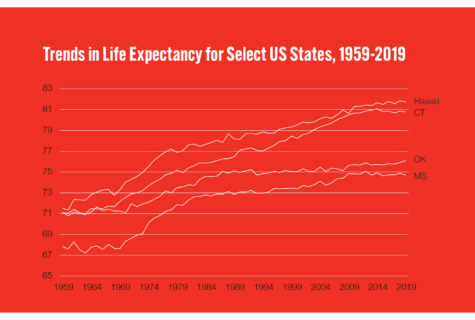
The Decline and Divergence of Life Expectancy in America: Sociologist Mark Hayward tries to unravel the mystery of why we’re dying sooner
Sociologist Mark Hayward explores why one of the wealthiest nations in the world is experiencing such a significant decline in a such a major indicator of well-being.
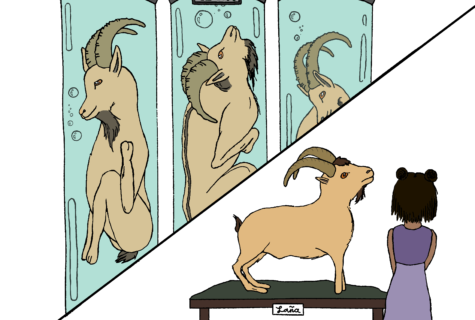
The End of the Line: “Endlings” and what their stories tell us about the planet, its inhabitants, and ourselves
Here is the basic anatomy of a story: there’s a beginning, a middle, and an end. But what can stories tell us about “endlings,” the last known individuals of their kinds?

The Science of Teaching Science: A UT Austin-Thinkery Partnership is building better science education for kids and communities
Cristine Legare studies how children learn and how to make informal learning exhibits more engaging and impactful for people of all ages.

How the Right Words Could Improve Policing
Could a simple sentence build trust and foster better communication between police officers and the communities they serve?
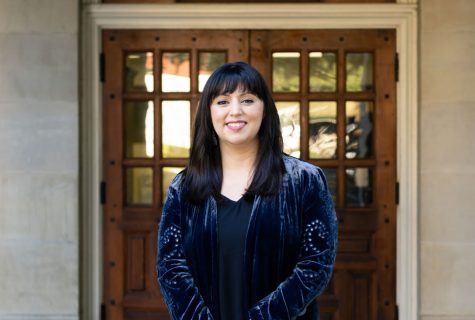
Bloody History, Historical Recovery
In The Injustice Never Leaves You, published in 2018 by Harvard University Press, historian and MacArthur “genius” fellow Monica Martinez documents the disturbing history of anti-Mexican violence during a period of rapid growth and economic transformation for the Lone Star State.
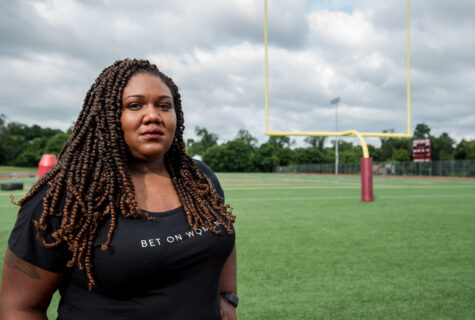
This is the Work: Nine Things to Know About Amira Rose Davis
An assistant professor of sociology, Davis specializes in 20th-century American history with an emphasis on race, gender, sports, and politics. But there’s a lot more you should know about her.
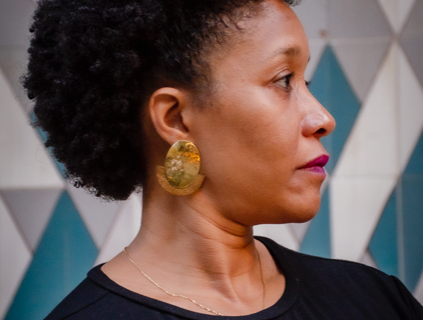
Black Women’s Academic Work is Not for the Taking
From its start at the National Women’s Studies Association Conference in 2018, Cite Black Women has developed into a movement. As founder and COLA professor Christen Smith has said, “I’m not fighting to be on someone’s bibliography. I’m fighting to have my intellectual self respected, and the intellectual work of my foremothers respected, the intellectual work of my sisters and friends respected.”
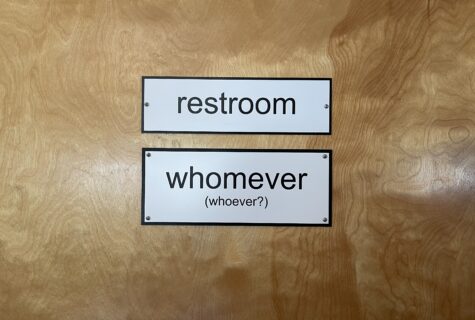
The Bell Tolls for WHOM: The complicated fate of the stuffiest object pronoun
Whom is dying out … mostly. As an essential part of grammatical English, that stuffy, old-fashioned object pronoun is declining in usage, and has been for more than a century. As a stylistic marker, though, it has some life left.